Plumber in Prescott Valley, AZ
A split line, a backed up shower or a heater gone cold. Say what you see and a licensed local plumber can come out.
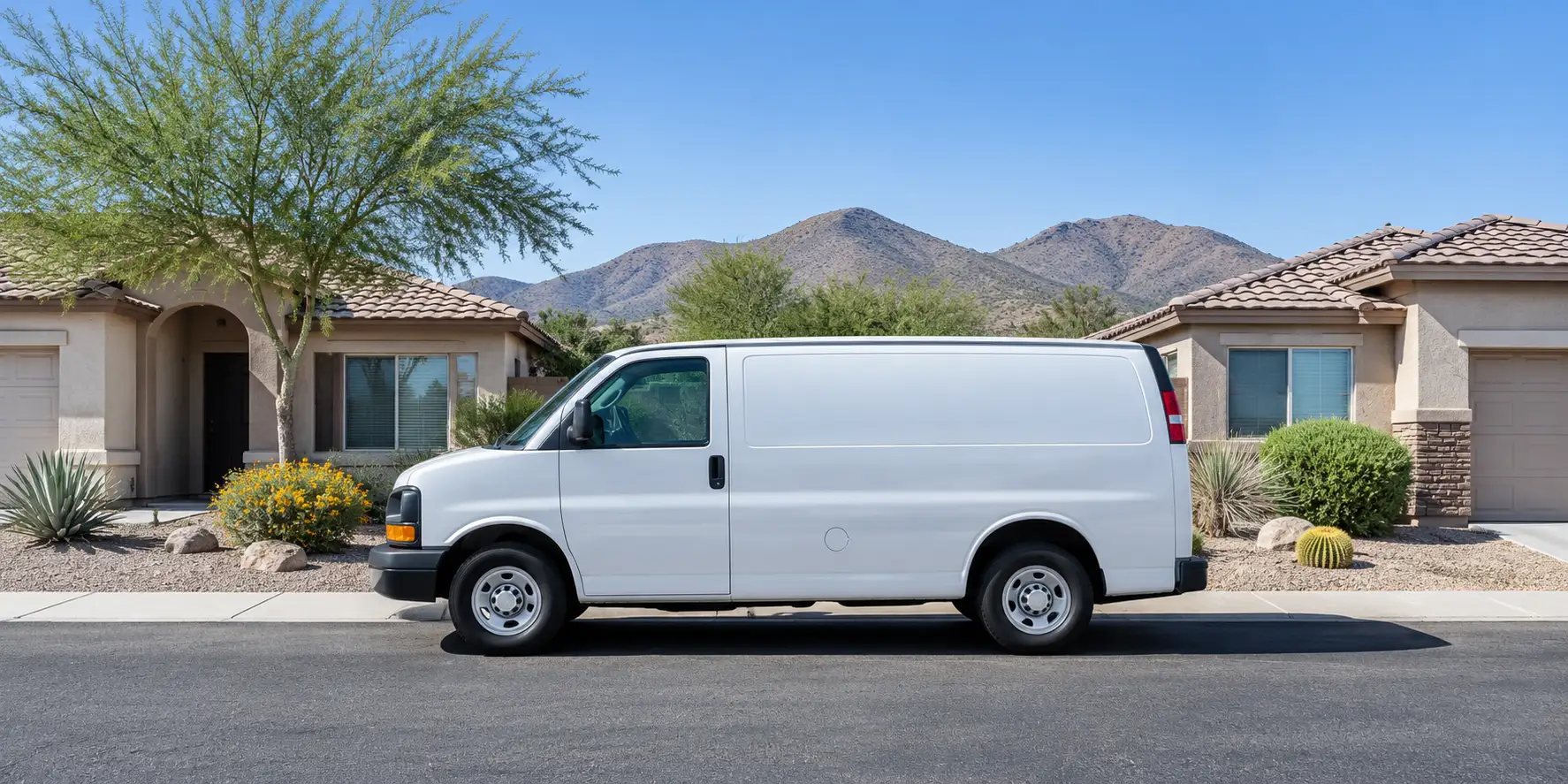
- Licensed local plumbers
- Homes in 86314 and 86315
- Choices laid out before work begins
Plumbing help for every part of your home
Plumbing problems rarely arrive at a good time, and they rarely stay small. A good plumber in Prescott Valley fixes the problem you called about and tells you about the one hiding behind it. Pick the job closest to yours and you will find the warning signs, the likely causes and what a visit involves.
When a plumbing problem cannot wait
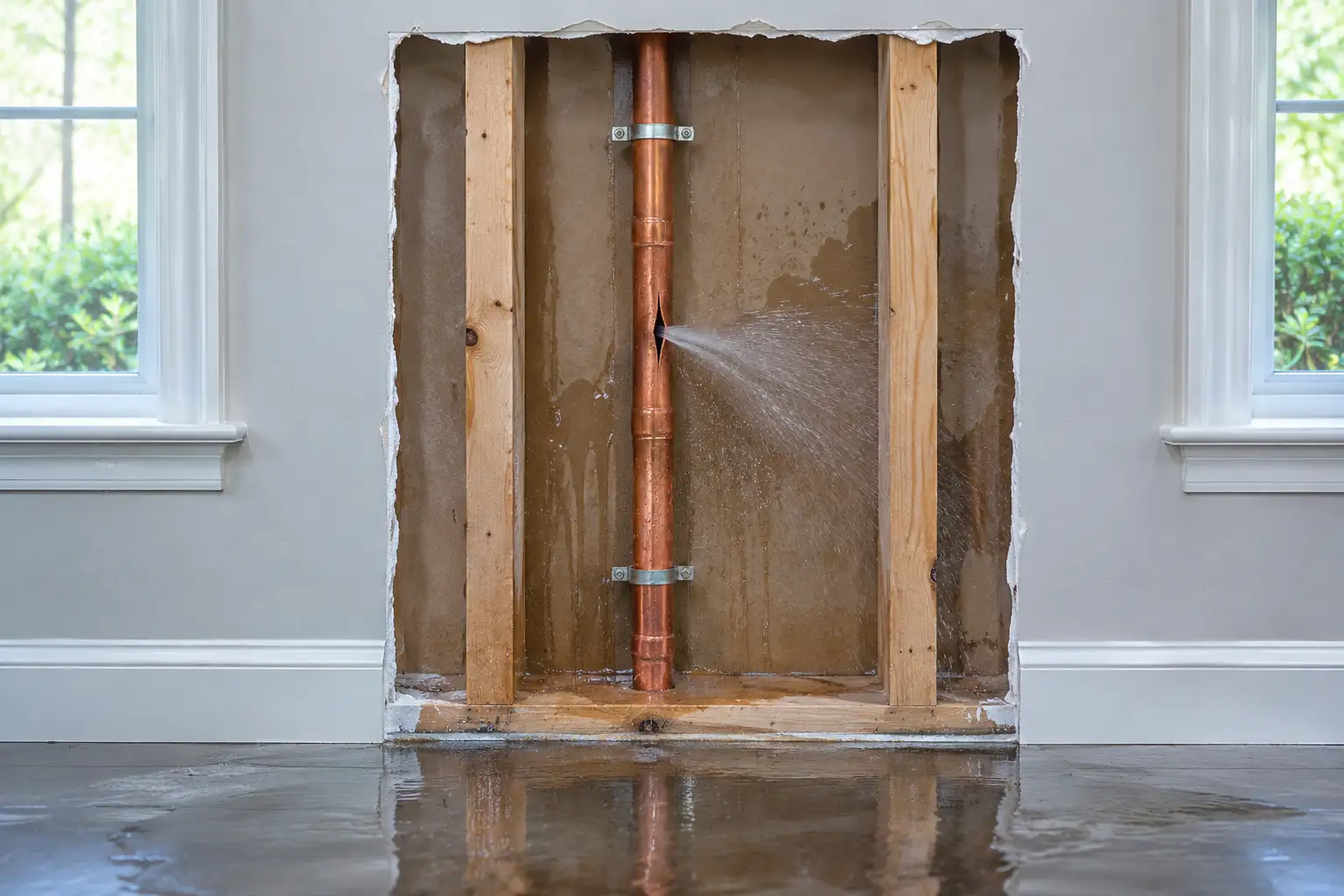
Burst pipes, sewage, a gas smell or no water at all
Some calls are easy to schedule. Others need a plumber in Prescott Valley the same day, because every hour adds water to the floor or sewage to the house.
Close the main valve if water is spraying, keep everyone away from sewage and leave the house first if you smell gas. Then call.
Other problems can usually wait for a scheduled visit, such as a slow single drain, a dripping faucet or a toilet that runs now and then. Waiting is fine as long as the problem is not spreading, though a small leak does far less damage when it is fixed early.
Where to start in an emergency
The emergency plumber page lists the situations that should never wait, and the burst pipe and leak steps walk through the shutoff, the power and protecting your floors while help is on the way.
Six signs you need a plumber today
Plumbing usually warns you before it fails. These are the warnings worth acting on now rather than next month.
Several drains slow at once
A clog in the main line, not a single sink. It can back up into the lowest drain in the house.
A water bill that jumped
Water is going somewhere. Turn every tap off and watch the meter for a few minutes.
Warm spots on the floor
A hot water line leaking under the slab can warm the tile above it.
No hot water, or a leaking tank
Water around the base of the heater means the tank or a fitting is failing.
A toilet that runs all night
It wastes a lot of water and usually needs only a small part.
Gurgling and sewer smells
Air pushed back through the drains often means the sewer line is partly blocked.
Why homes here have their own plumbing quirks
Hot summers, cold nights and monsoon storms
Prescott Valley has very hot, dry summers and large swings between day and night temperatures. Pipes expand and contract with those swings, and joints and fittings feel it over the years.
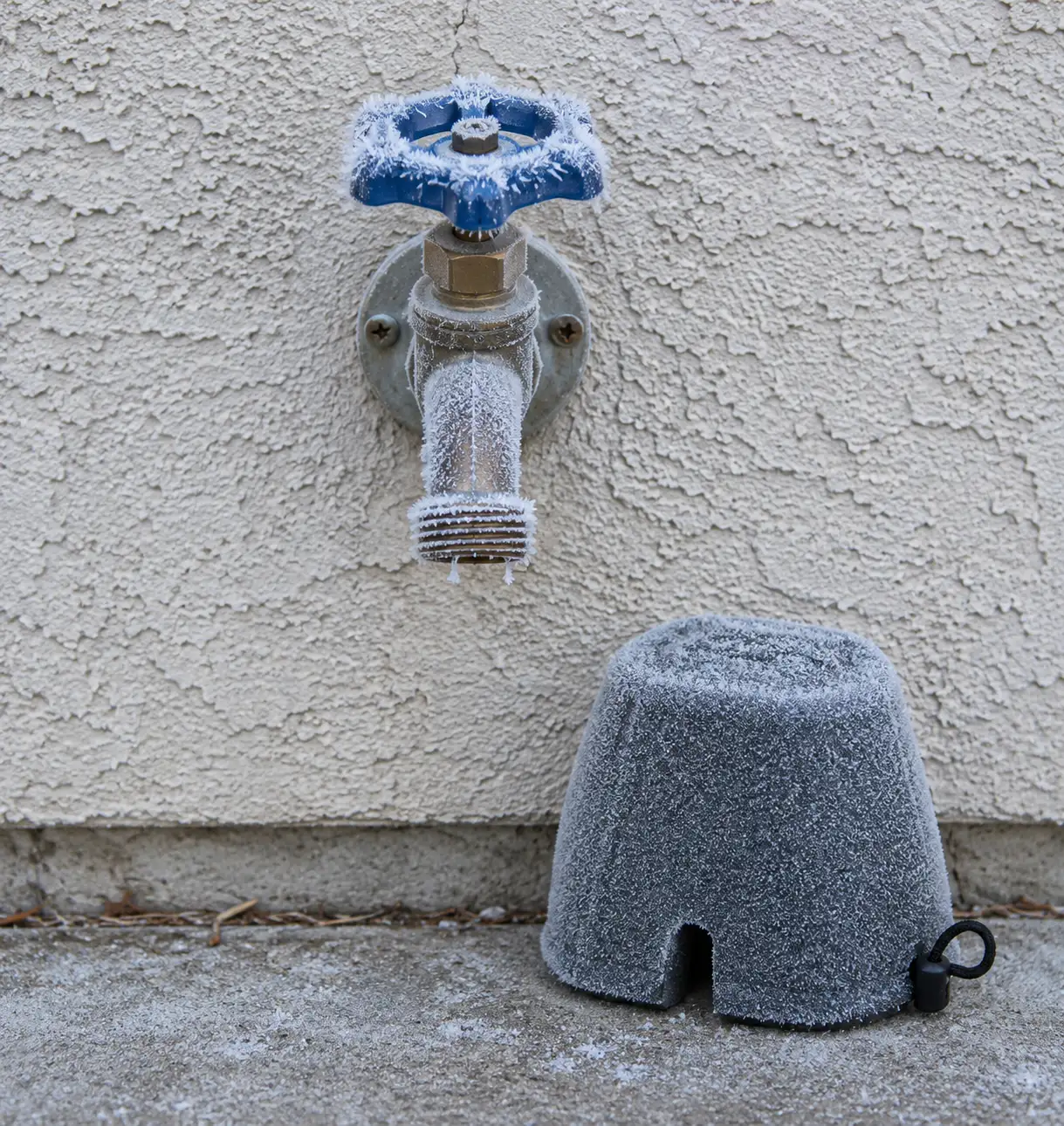
Frozen pipes in cold snaps and clogged drains around the holidays are common triggers for calls. Monsoon storms can overwhelm drains and push water where it should not be.
Simple ways to stay ahead of it
A few habits help. Cover outdoor faucets and disconnect hoses before a hard freeze, keep grease and food scraps out of the kitchen drain during holiday cooking, and check that yard drains and gutters are clear before storm season. The shutoff guide is worth reading before you ever need it.
The parts of your plumbing worth knowing
You do not need to be a plumber to understand your own house. Knowing where these five things are makes any plumbing problem easier to handle, and it helps the plumber in Prescott Valley who comes out find the cause faster.
The main shutoff
Usually where the water line enters the house, in the garage, a utility closet or near the front hose faucet. It stops all the water at once.
The water heater
Gas or electric, tank or tankless, often in the garage or a closet. It has its own cold water valve on top.
Drains and vents
Every sink, tub and toilet drains into one main line. Vents on the roof let air in so water flows freely.
The sewer cleanout
A capped pipe near the house or in the yard. Plumbers use it to clear the main line without pulling a toilet.
The gas line
If you have gas appliances, a meter and a shutoff valve outside feed them. Gas work always calls for a licensed plumber.
Fixture valves
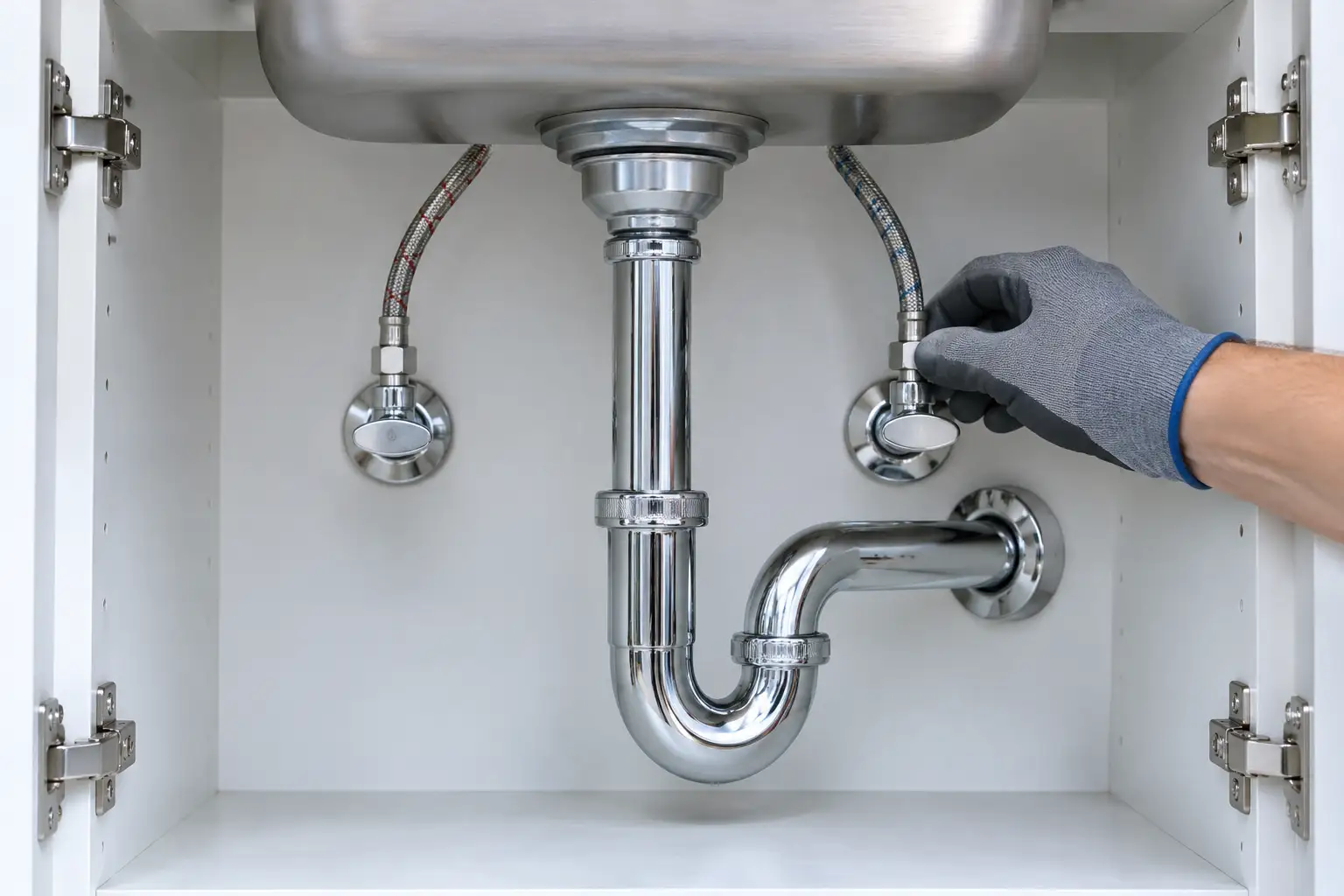
Small valves under sinks and behind toilets. Closing one stops a leak while the rest of the house keeps water.
A five minute walk around that pays off
Walk around your house once and find each of these. Tie a tag to the main shutoff and make sure it turns. If it is stuck or hidden behind storage, that is worth fixing before you need it in a hurry.
Take a photo of the label on the water heater too. It shows the age and size, which tells the plumber a lot before they arrive.
Repair or replace, and how a plumber decides
Many plumbing problems can go either way. A good plumber explains both and lets you choose.
Repair usually makes sense when
- The fixture or heater is fairly new and the fault is one part.
- The pipe damage is in one spot and the rest is sound.
- A clog is a one off, not a pattern.
- Parts are easy to get for your model.
Replacing is worth a look when
- The same thing keeps failing every few months.
- A water heater tank itself is leaking.
- Pipes show corrosion or leaks in several places.
- A fixture is old enough that parts are hard to find.
Either way, ask what caused the failure. Fixing the cause is what keeps the next call from coming, and it is the question that tells you most about the plumber too.
A plumbing calendar for the year
Each season brings its own plumbing jobs. A few minutes at the right time keeps most of them from turning into a call.
Fall
Disconnect hoses, cover outdoor faucets and find the main shutoff before the first freeze. Flush the water heater if it has not been done in a year.
Winter
Keep the heat on during cold snaps, open cabinet doors on outside walls and watch kitchen drains during holiday cooking.
Spring
Check outdoor faucets for splits from the winter, look for drips under sinks and test the toilets for silent leaks with a little food coloring in the tank.
Summer
Before monsoon season, clear yard drains and gutters. Hot weather is also a good time to check the water heater and the pressure relief valve.
What happens after you reach us
Tell us what you see
Where the water is, which fixtures are affected and whether it has stopped. Your ZIP code helps too.
A local plumber comes out
A licensed plumber in Prescott Valley finds the cause, not just the symptom.
You hear the options first
The plumber explains what they found and what each fix involves before any work starts.
You decide
Go ahead, ask questions or take time to think. The choice stays with you.
Most plumbing visits follow the same rhythm. The plumber asks a few questions, looks at the problem and the parts around it, then explains what they found in plain words. If the fix is simple, it can often happen on the same visit. If a part needs ordering, you will hear that too, along with what to do in the meantime to keep the problem from getting worse.
Have a photo of the problem ready if you can. A picture of a leak, a water heater label or a backed up drain helps the plumber arrive with the right parts.
A quick checklist before the plumber arrives
These take a few minutes and keep a small problem from growing while you wait. None of them need tools, and none of them put you at risk if you skip anything near electricity or gas.
- Close the main water valve if anything is leaking or spraying.
- Turn off the power to the water heater if it is leaking.
- Stop using drains and toilets if water is backing up.
- Move towels, rugs and anything valuable away from the water.
- Take photos of the problem and the area around it.
- Clear a path to the water heater, the main valve and the cleanout.
The full burst pipe and leak steps cover each of these in more detail.
Guides worth bookmarking
Every valve that stops water in a house, and which one to reach for first.
The first ten minutes, in order, from the valve to the photos.
Warm floors, a running meter and the other clues that a leak is under the house.
When a clogged drain becomes an emergency
One slow sink can wait. Several drains backing up at once cannot.
Renters, neighbors and wet floors
If you rent, tell your landlord or property manager straight away as well, and keep your own photos. If you share walls with a neighbor, let them know about any leak that could reach their side.
If water has reached carpet or drywall, it will need drying as well as the plumbing repair. Mention it when you call, so the plumber can check how far the water went.
Fair questions to ask the plumber at your door
A good plumber is happy to explain. These questions help you understand the job, compare your options and make a confident decision without feeling rushed.
What caused it?
A repair that fixes the cause lasts longer than one that only stops the symptom.
What are my options?
Repair, replace or wait. Each has trade offs worth hearing.
What else did you notice?
Corroded valves or a tired water heater are easier to plan for now.
How do I avoid this next time?
Most plumbing problems have a simple habit that prevents them.
If you would like more help preparing, our plumber questions page answers the ones homeowners ask most.
Plumber service across Prescott Valley ZIP codes
Prescott Valley Plumber takes calls from homes across Prescott Valley, Arizona. If your home is in one of these ZIP codes, tell us what is happening and a local plumber can come out.
- 86314
- 86315
Not sure about your address? Mention your ZIP code when you call and we will tell you straight away.
Every page on this site is written for Prescott Valley homes, from the cold snap advice to the monsoon season checks. If something here does not match what you are seeing at your house, tell the plumber. Every home is a little different, and the details you notice are often the quickest route to the cause.
Plumbing questions from Prescott Valley homeowners
Short answers to what people ask us most. Each guide goes deeper.
When should I call a plumber instead of fixing it myself?
Call when water is leaking that you cannot stop, when more than one drain backs up, when sewage is involved, when a water heater leaks or when you smell gas. Small jobs like a loose faucet handle are often fine to try yourself.
What should I do first if a pipe bursts?
Close the main water valve, turn off the power to any wet rooms if it is safe, and open the lowest faucet to drain the lines. Then move belongings away from the water.
Why are several of my drains slow at the same time?
When more than one fixture drains slowly, the clog is usually in the main line rather than a single trap. A plumber can clear the line from a cleanout and check it with a camera if needed.
How do I know if I have a hidden leak?
Turn off every tap and appliance and watch the water meter. If the dial keeps moving, water is leaking somewhere, often under the slab, in a wall or in the yard.
My water heater is leaking. Is it dangerous?
A leaking tank can flood the area around it. Turn off the cold water valve above it and the power or gas, then keep clear of hot water and call a plumber.
How can I stop pipes freezing in a cold snap?
Disconnect hoses, cover outdoor faucets, keep the heat on and open cabinet doors under sinks on outside walls. On the coldest nights a slow drip from a faucet helps.
What causes a sewer smell in the house?
A dry drain trap, a loose toilet seal or a partly blocked sewer line. Run water in rarely used drains, and if the smell stays or drains gurgle, have the line checked.
How long does a typical plumbing repair take?
Many repairs, such as a faucet cartridge, a toilet fill valve or a simple clog, are done in a single visit. Larger jobs like a water heater replacement or a sewer line repair take longer, and the plumber will tell you what to expect before starting.
Do you explain the work before it starts?
Yes. The plumber looks at the problem and explains the options before any work begins, and you decide whether to go ahead.
Are the plumbers licensed?
The plumbers who come out are licensed local plumbers. Gas line work in particular should only ever be done by a licensed plumber, and the same goes for anything that involves the water heater venting.
Is a dripping faucet worth fixing?
Yes. A steady drip wastes a surprising amount of water over a month and usually means a worn cartridge or washer, which is a small repair. Leaving it can also wear the valve seat, which turns a small fix into a bigger one.
Why does my water heater make popping noises?
Sediment settles at the bottom of the tank and water trapped under it pops as it heats. Flushing the tank can help, and a plumber can tell you whether the tank is near the end of its life.
Can I use chemical drain cleaner?
It is best avoided. Harsh chemicals can damage older pipes and do little for a clog in the main line. A plumber can clear the line mechanically instead.
What does a slab leak mean?
A leak in a water line under the concrete slab. Warm spots on the floor, the sound of running water and a meter that keeps moving are the usual signs.
Which homes do you take calls from?
We take calls from homes across Prescott Valley, Arizona, in the 86314 and 86315 ZIP codes.