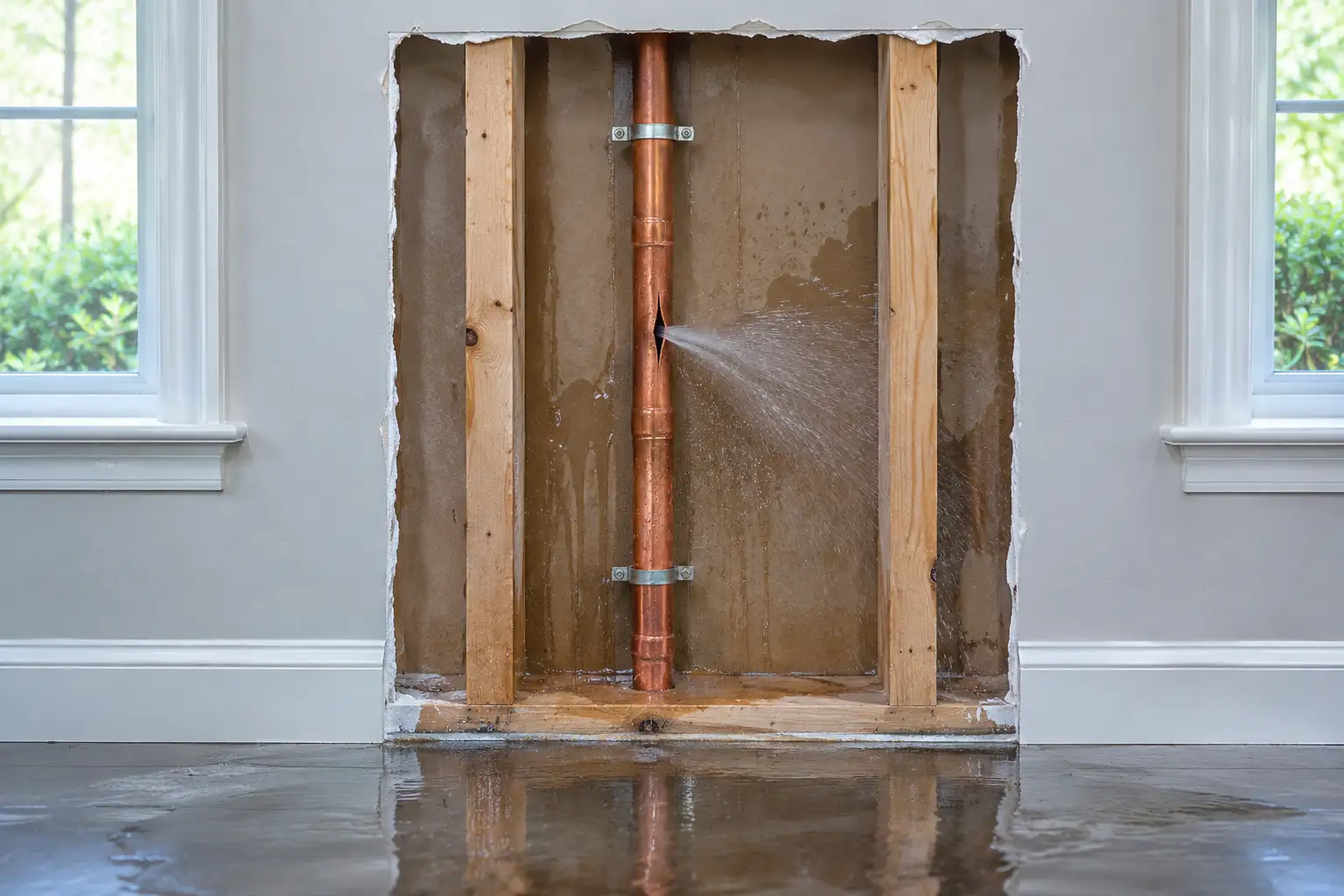
What to do when a pipe bursts, minute by minute
When a pipe bursts, it helps to have a clear order of things to do. Here is the first ten minutes.
Minute one, close the main
Find the main shutoff and close it. If it will not turn, use the valve at the meter box.
Minute two, make the power safe
Switch off breakers for wet rooms from a dry spot. Stay away from a wet panel.
Minute three, drain the lines
Open the lowest faucet in the house so the remaining water drains there.
Minutes four to eight, protect things
Lift rugs, move electronics and furniture, put buckets under drips.
Minutes nine and ten, take photos
The break, the water, every wet room and damaged item.
If you have not found the main yet, the shutoff guide shows where it usually is.
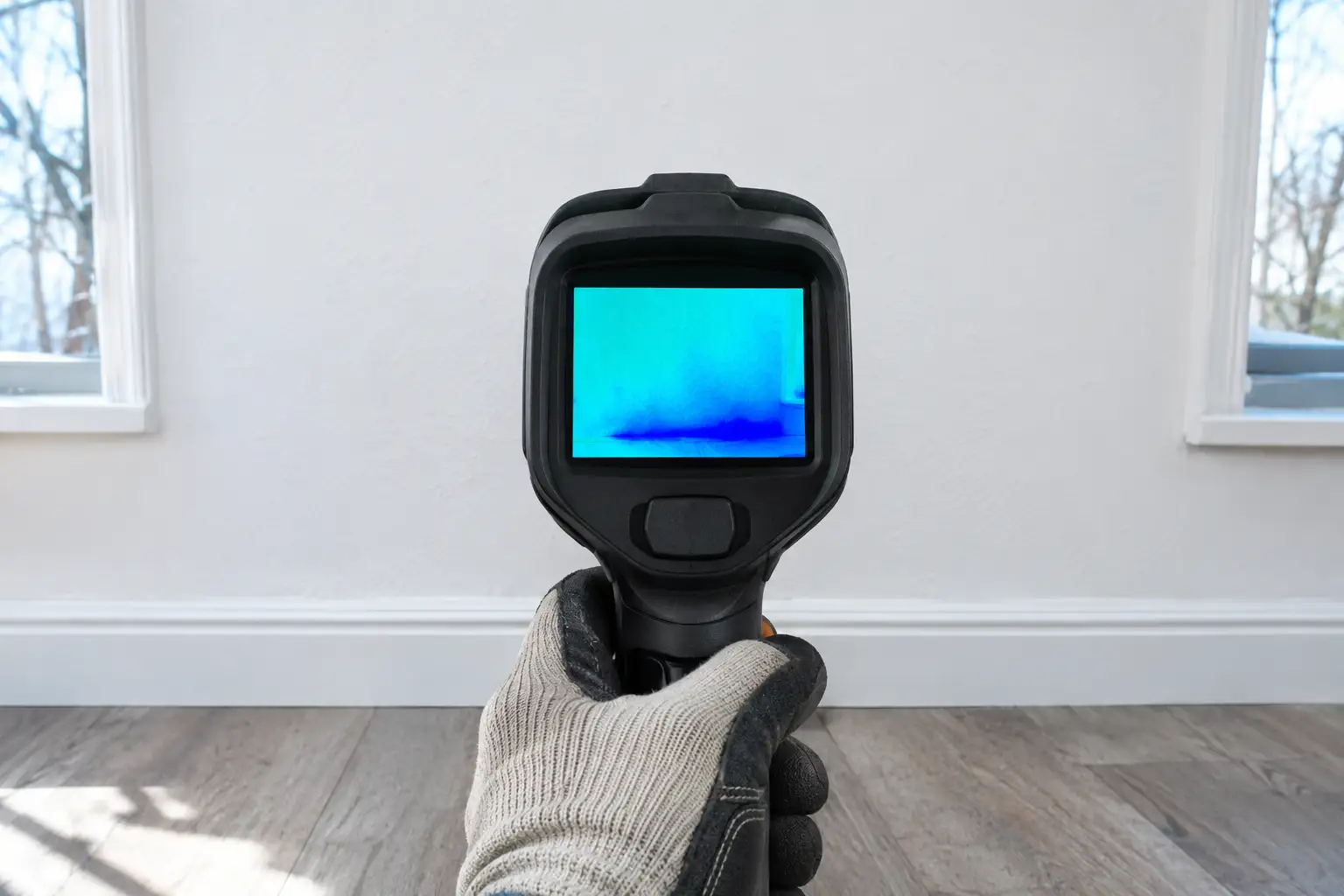
The first hour
Once the water is off and the house is safe, the job becomes getting the water out before it soaks in further.
- Mop and towel up standing water on hard floors.
- Use a wet vacuum on carpet if you have one. Never a household vacuum.
- Pull wet items out of lower cabinets and closets.
- Open interior doors so air can move, and run fans.
- If a ceiling is sagging, keep everyone out from under it.
Call a plumber to repair the line. While you wait, the emergency steps cover other risks such as a leaking water heater.
Ceilings, lights and outlets
Water and electricity together are the biggest danger after a burst pipe. Treat these as stop signs.
Water through a light fixture
Turn its breaker off and do not touch the switch.
A sagging ceiling
Keep everyone out from under it. It can drop without warning.
Wet outlets or cords
Leave them unplugged and the breaker off until they are dry and checked.
A wet electrical panel
Stay away from it entirely and tell the plumber when you call.
The rest of the day
With the water stopped and the worst mopped up, the next few hours are about the repair, the records and the drying. Doing them in that order keeps the house safe and gives your insurance company a clear picture of what happened.
Get the line repaired
A plumber finds the break, replaces the damaged section and tests the line before the water goes back on.
Call your insurer
Many people do it the same day. Have your photos and notes ready.
Keep damaged items
Until the adjuster has seen them, unless they are a health risk.
Start drying
Fans and a dehumidifier in the wet rooms, with doors closed to keep the air dry.
The burst pipe repair page explains what the plumber does on the visit.
Drying is the part people skip
Fixing the pipe stops new water. The water already in the drywall, the insulation and the floor is still there, and it can stay for a long time if nobody dries it.
Drywall
Wicks water upward. A tide line or soft patch means it is wet inside.
Insulation
Holds water for a long time and usually needs to come out if soaked.
Carpet pad
Soaks up water like a sponge and is often replaced.
Hardwood
Swells and cups. Slow, steady drying gives it the best chance.
Cabinets
Particleboard bases swell and rarely recover.
Subfloor
Takes water from above and dries slowly.
Even in a dry climate, water trapped inside a wall or under flooring can stay damp far longer than the room air suggests. If a lot of water got into walls or floors, a water damage drying company is worth calling alongside the plumber.
What to tell your insurance company
Insurers usually want to know what happened, when and what you did about it. Having it ready makes the call shorter.
- The date and time you found the water.
- Where the pipe broke and what it damaged.
- That you closed the main and took steps to stop further damage.
- Photos of the break, the water and the damaged rooms.
- The plumber details and the repair invoice once it is done.
Coverage depends on your policy, and many policies treat a sudden burst differently from a slow leak. Your agent is the right person to ask.
The day after
- Check for new stains, bubbles in paint or soft spots near the leak.
- Notice any musty smell, a sign that water is still trapped.
- Keep fans and the dehumidifier running in the wet rooms.
- Do not close walls or lay new flooring until everything is dry.
- Keep every receipt and note for your insurance company.
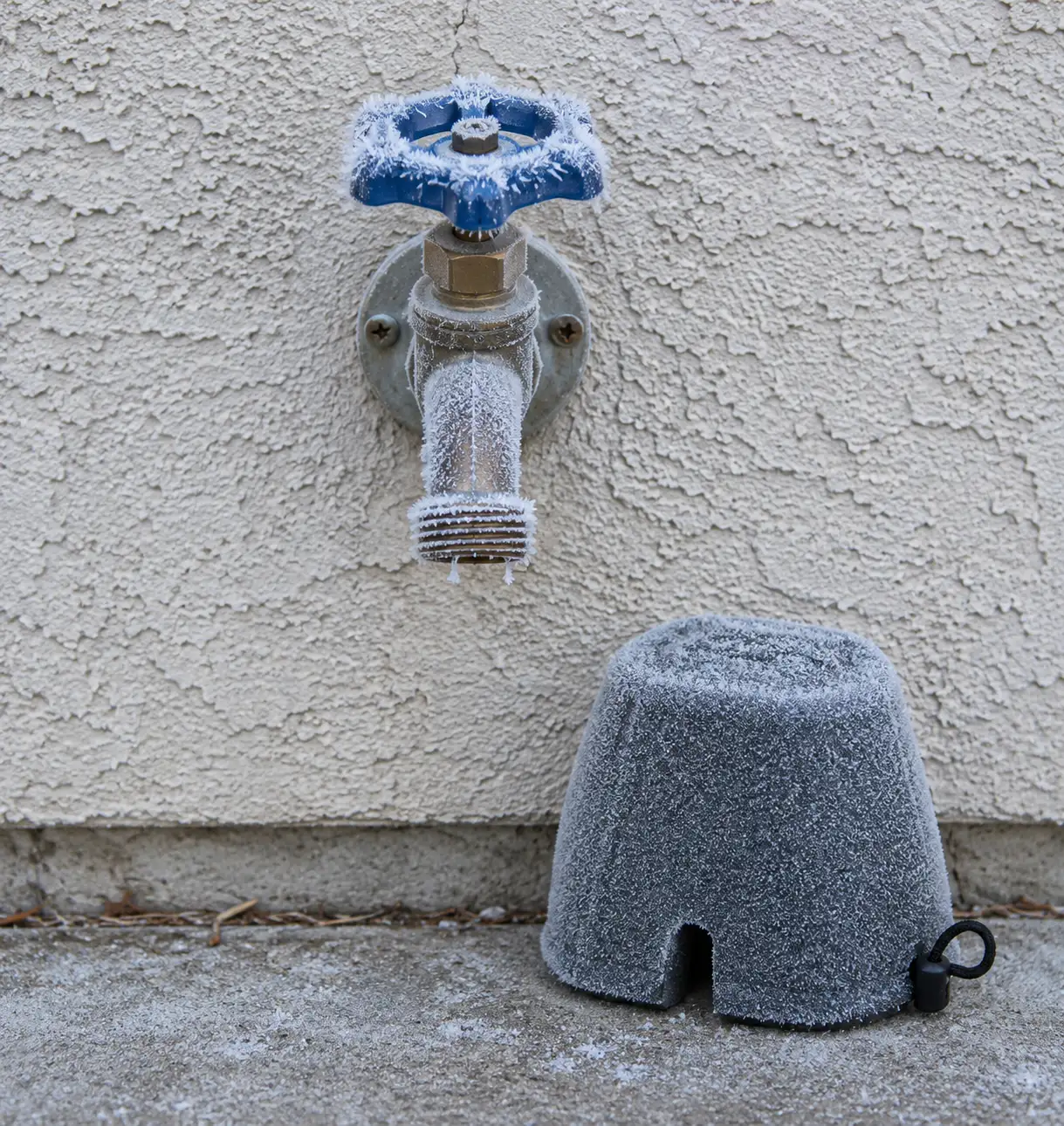
Why it burst, and stopping the next one
Frozen pipes in cold snaps are a common trigger in Prescott Valley. The large swings between day and night temperatures also stress older joints and fittings over time.
- Disconnect hoses and cover outdoor faucets before a hard freeze.
- Keep the heat on during cold snaps, even when you are away.
- Open cabinet doors under sinks on outside walls on the coldest nights.
- Insulate pipes in the garage, attic and outside walls.
- Ask the plumber whether the burst spot should be rerouted or insulated.
Common mistakes after a burst pipe
Worth doing
- Closing the main straight away.
- Photographing everything first.
- Drying the structure, not just the surface.
- Asking what caused the break.
Worth avoiding
- Turning the water on to see if it stopped.
- Using a household vacuum on water.
- Painting over a stain before it is dry.
- Waiting for the leak to fix itself.
Burst pipe aftercare questions
What is the first thing to do when a pipe bursts?
Close the main water shutoff. Everything else comes after the water is stopped.
Can I use my water while I wait for the plumber?
Not until the break is repaired or isolated. A plumber may be able to close just that branch so the rest of the house has water.
Will my insurance cover a burst pipe?
Many policies treat a sudden burst differently from a slow leak. Check your policy and keep photos and notes.
How long does it take to dry after a burst pipe?
Usually several days for wet walls and floors with fans and a dehumidifier running. Materials should be dry before they are closed up or covered.
Do I need to replace wet drywall?
Not always. Drywall wet with clean water can often be dried. Swollen or crumbling drywall is usually replaced.
Why did the pipe burst on a warm afternoon?
Pipes often split while frozen overnight, and the water only escapes once the ice thaws.
Should I open the walls to dry them?
A small opening at the bottom of a wet wall can help air reach the cavity. Larger openings are worth discussing with the plumber or a drying company.
Is it safe to turn the power back on after a leak?
Only once outlets, cords and appliances that got wet are dry and have been checked. Leave the breaker off until then.
Should I move out while the house dries?
Usually not for clean water. The fans and dehumidifier are noisy, but the house is generally safe to stay in.
Can I claim for damaged belongings?
That depends on your policy. Keep the items, photograph them and list them before you throw anything away.
How do I know if the water got into the walls?
Look for tide lines, bubbling paint, soft drywall near the floor and a musty smell. A moisture meter confirms it.
Do I need a drying company as well as a plumber?
If a lot of water soaked into walls, ceilings or flooring, a drying company with proper equipment can dry the structure faster and check it with readings.
What if the burst pipe is outside?
Close the meter valve if the break is between the meter and the house, or the main if it is past it. Outdoor lines often split in cold snaps.
Should I keep the old piece of pipe?
If the plumber cuts out the damaged section, ask to keep it. It can help show your insurance company what failed.