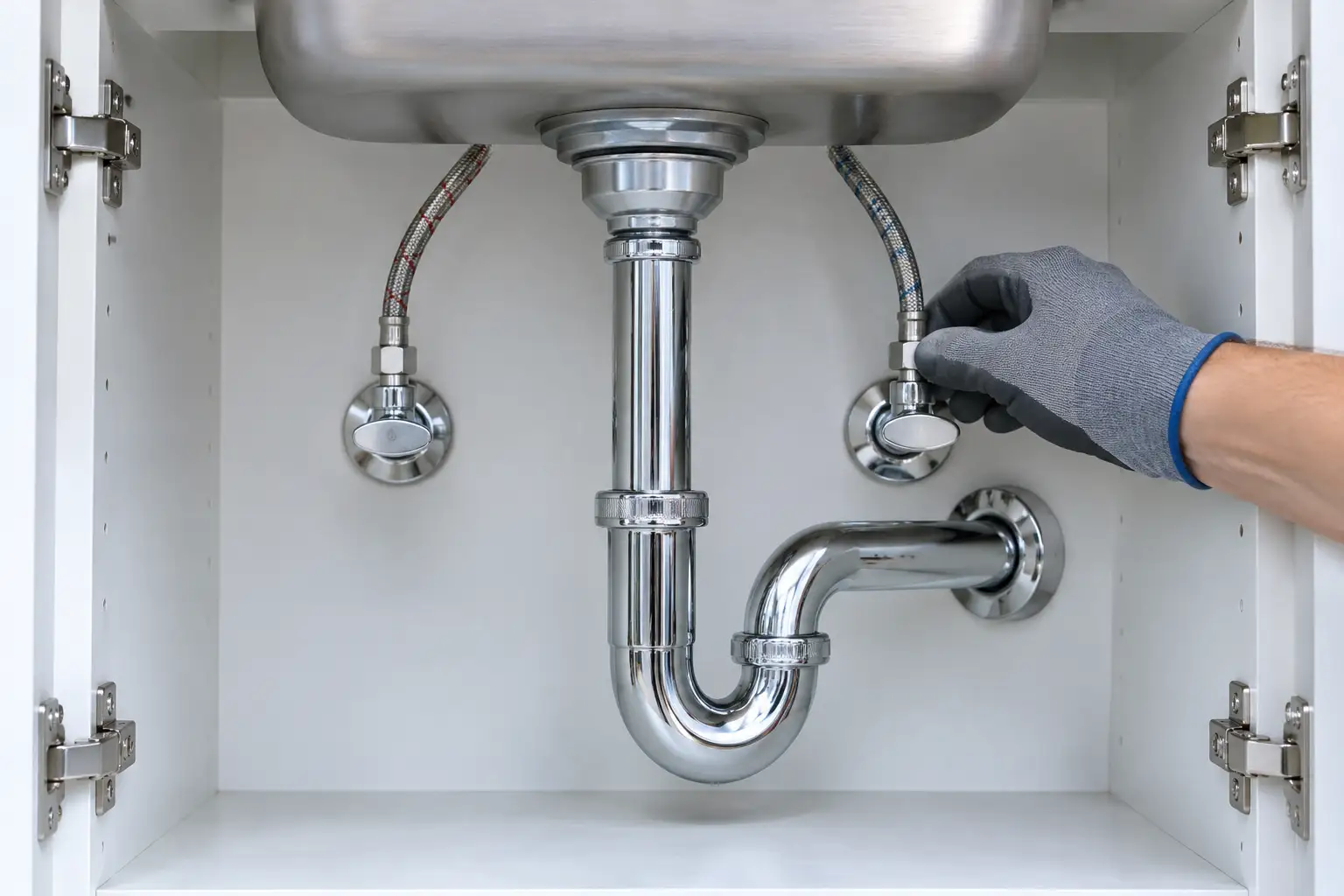
How to shut off your water in an emergency, valve by valve
Knowing how to shut off your water in an emergency is the single most useful plumbing skill a homeowner can have. Most homes have several valves, and the right one depends on where the problem is.
Main shutoff
Stops all water to the house. Use it for burst pipes and leaks you cannot isolate.
Meter valve
At the meter box near the street. Use it if the main will not turn.
Fixture valves
Under sinks and behind toilets. Stop one fixture while the rest keep working.
Water heater valve
On the cold line at the top of the tank. Stops water into the heater.
Appliance valves
Behind the washer, the dishwasher and the refrigerator.
Irrigation valve
Stops water to sprinklers and drip lines in the yard.
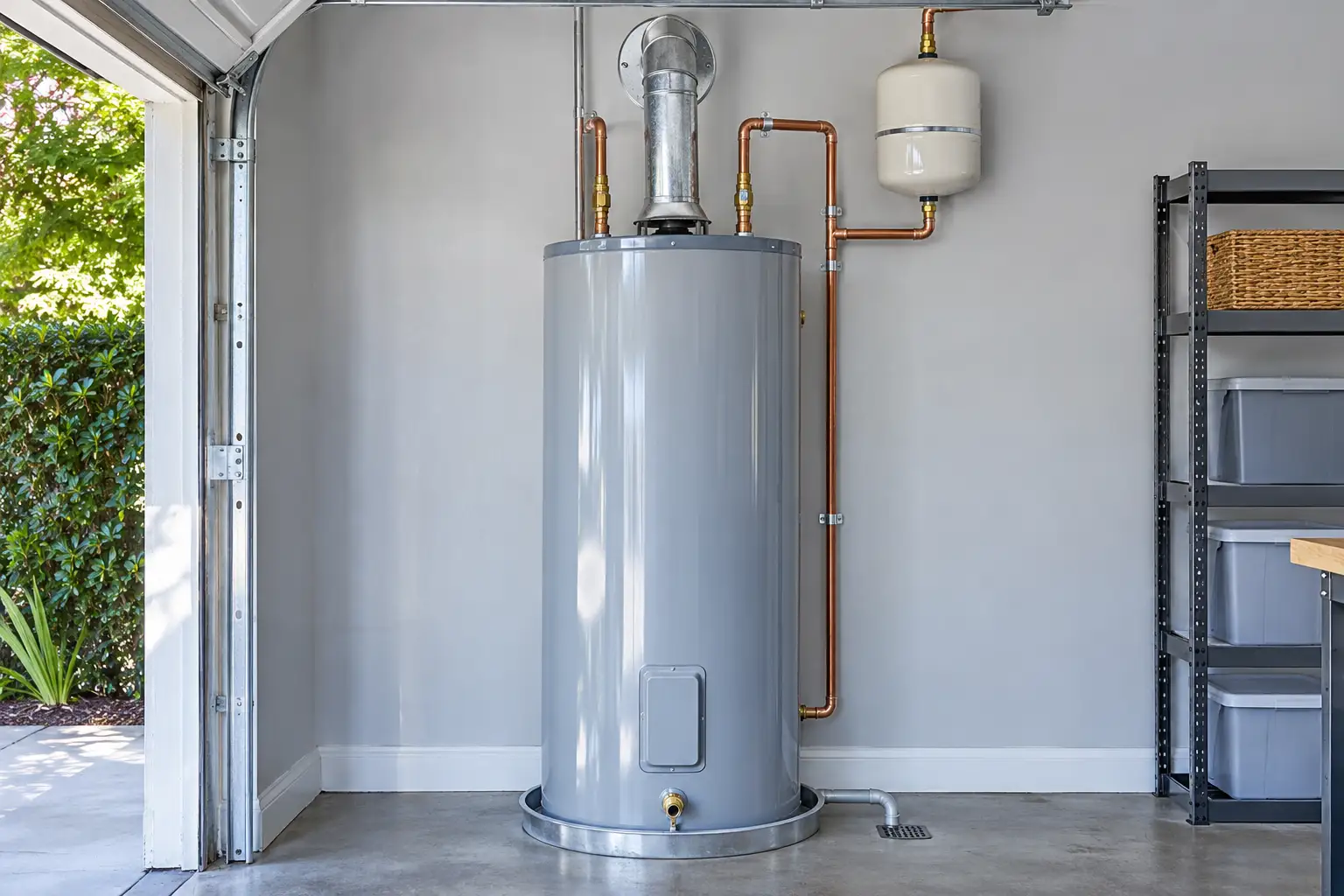
Where the main shutoff usually is
Start with the garage and the wall facing the street
The main shutoff is usually where the water line enters the house. That is often on the side of the house that faces the street.
- In the garage, low on the wall nearest the street, sometimes near the water heater.
- In a utility closet or laundry room.
- Outside, near the front hose faucet, sometimes in a small box at ground level.
- Near the water softener or filter, if you have one.
When you find it, tie a bright tag to it and make sure everyone in the house knows where it is.
Turning it the right way
Round wheel handle
- Turn clockwise, to the right.
- Keep turning until it stops.
- It may take several turns.
- Do not force it past where it stops.
Lever handle
- Turn it a quarter turn.
- Across the pipe means closed.
- In line with the pipe means open.
- It should move with steady pressure.
After closing it, open the lowest faucet in the house. If water slows to a trickle and stops, the valve is closed and the lines are draining.
When the main valve is stuck
Valves that are never used can seize. If the main will not turn, do not force it with a long bar or a hammer. An old valve can snap and leave you with a bigger leak than you started with.
Close the nearest fixture valve
If the leak is at one sink, toilet or appliance, its own valve may be enough.
Use the meter valve
At the meter box near the street. It usually needs a meter key or an adjustable wrench to turn the flat tab a quarter turn.
Call for help
If neither works, call a plumber and tell them the main is stuck.
Have a stuck or leaking main valve replaced once the emergency is over. A main that turns easily is worth having before you need it again.
Fixture valves, one by one
Closing just the valve for one fixture lets you stop a leak and keep water in the rest of the house. It is the quickest fix for a leaking toilet, a dripping supply line or a burst washer hose, and it means the kitchen and bathrooms keep working while you wait for a repair.
Sinks
Two small valves under the sink, one for hot and one for cold. Turn each clockwise.
Toilets
A small valve on the wall or floor behind the toilet.
Washing machine
Two valves behind the washer, often with red and blue handles.
Dishwasher
Usually under the kitchen sink, on the hot water line.
Refrigerator
A small valve behind the fridge or under the sink for the ice maker line.
Water heater
The cold water valve on the pipe at the top of the tank.
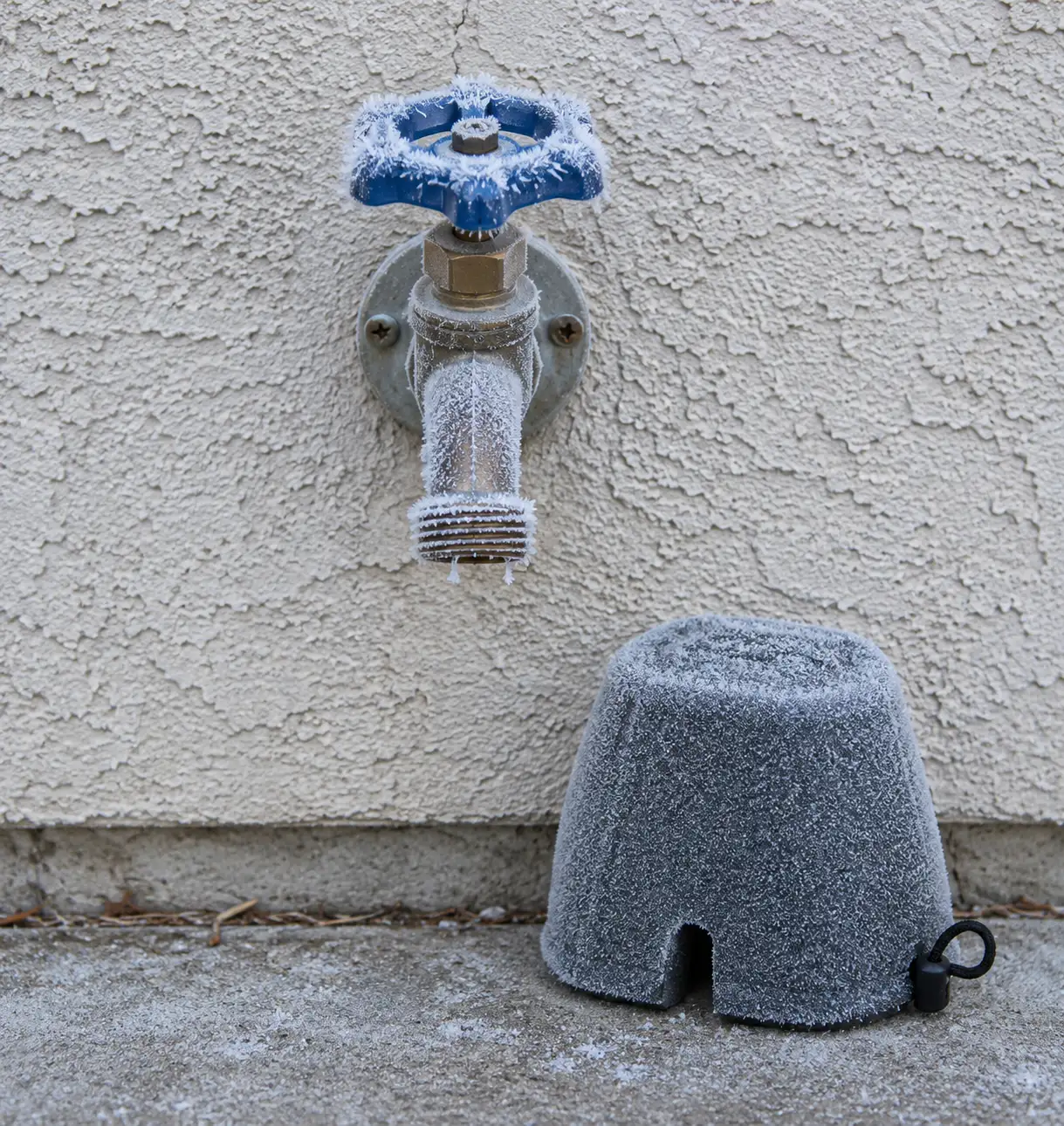
Outdoor lines and irrigation
Outdoor faucets and irrigation lines often have their own valves. Knowing where they are lets you stop a leak in the yard without cutting water to the house.
- Irrigation systems usually have a shutoff near the backflow device or the controller valve box.
- Some homes have an inside valve that feeds the outdoor faucets. Close it in winter and open the outside faucet to drain the line.
- A leak in the yard between the meter and the house needs the meter valve, because it is before the main.
- Frozen pipes in cold snaps often start at outdoor faucets, so they are worth draining before a hard freeze.
Bringing the water back on safely
Once the repair is done, turn the water back on slowly. Opening the main all at once can send a surge through the pipes and loosen fittings.
Close the faucets you opened
Leave one faucet on the lowest floor slightly open.
Open the main slowly
A little at a time, listening for running water where it should not be.
Let air out
Faucets may sputter as air leaves the lines. Run each one until the flow is smooth.
Check the repair
Look at the repaired spot and the joints beside it for drips.
Five minutes of practice
The best time to learn how to shut off your water is on a quiet afternoon, not during a flood.
- Find the main shutoff and tag it.
- Turn it off and back on once to check it moves.
- Find the meter box and see what tool its valve needs.
- Check that the valves under each sink turn.
- Show everyone in the house where the main is.
Signs your main valve needs replacing
It will not turn
A seized valve is no use in an emergency.
It drips at the stem
Water around the handle when it is moved.
It does not fully close
Water still trickles from the lowest faucet with the valve shut.
It is badly corroded
Rust or green crust on the body or the handle.
A new main valve is a routine job, and a lever style ball valve is easy to turn quickly when you need it. If you rent, ask your landlord to check the main valve as well, and find out where the building shutoff is if you live in a shared building.
Where the water goes after you close it
Closing the main stops new water, but the pipes are still full. That is why opening the lowest faucet matters. It lets the water left in the lines drain out there, instead of through a split pipe or a leaking fitting.
Water heaters also hold a full tank after the main is closed. If a leak is at the heater itself, close its cold valve as well and turn off the heat.
Shutoff valve questions
Which way do I turn the main water valve?
A round wheel turns clockwise to close. A lever turns a quarter turn so it sits across the pipe.
What if I cannot find my main shutoff?
Check the garage, utility closets, near the front hose faucet and the wall facing the street. If you still cannot find it, use the meter valve and ask a plumber to locate the main.
Do I need a special tool for the meter valve?
Often a meter key or an adjustable wrench to turn the flat tab a quarter turn.
Is it bad to force a stuck valve?
Yes. Old valves can break. Use another valve and have the stuck one replaced.
Will shutting off the water damage the water heater?
Set it to vacation or off if the water will be off for a while, so it does not heat without water coming in.
Why do my faucets sputter after the water comes back?
Air trapped in the lines. Run each faucet until the flow is smooth.
Should I shut off the water when I go on vacation?
Many people close the main for longer trips, which protects against a burst while nobody is home. Set the water heater to vacation as well.
Is the meter valve mine to use?
In an emergency, closing it to stop a leak is common. If you are unsure, the water provider can tell you what applies to your home.
How long can the water stay off?
As long as needed. Just keep the water heater off or on vacation so it does not heat without water coming in.
Can I replace a main valve myself?
It is a job for a plumber, because the water has to be shut off at the meter and the new valve fitted and tested properly.
Why does my main valve drip when I turn it?
Older valves often leak at the stem when moved. Close it fully, then have it replaced, as a dripping valve can get worse.