If you smell gas
Leave first. Call from outside. Do not go back in until you are told it is safe.
- Get everyone, including pets, out of the house straight away.
- Do not switch lights or appliances on or off, and do not use a phone inside.
- Do not light anything, and do not start a car in an attached garage.
- Call the gas company or emergency services once you are well away from the house.
- Leave the door open behind you if it is safe to do so.
Natural gas has an added smell, often described as rotten eggs, so that leaks can be noticed. Trust it, even if the smell is faint.
Clues that a gas line is in trouble
Gas line repair in Prescott Valley is not only about strong smells. These quieter signs are worth taking seriously too.
A faint smell
Near an appliance, the water heater, the furnace or the meter.
A hissing sound
Near a gas line, a valve or an appliance connection.
Dead plants
A patch of dead or dying plants over the path of a buried gas line.
Bubbles in puddles
Water over a buried line bubbling for no obvious reason.
Burners acting up
A yellow or orange flame on a gas stove instead of a steady blue one.
Pilot lights going out
A water heater or furnace pilot that keeps going out.
If you notice any of these and also smell gas, follow the safety steps above first.
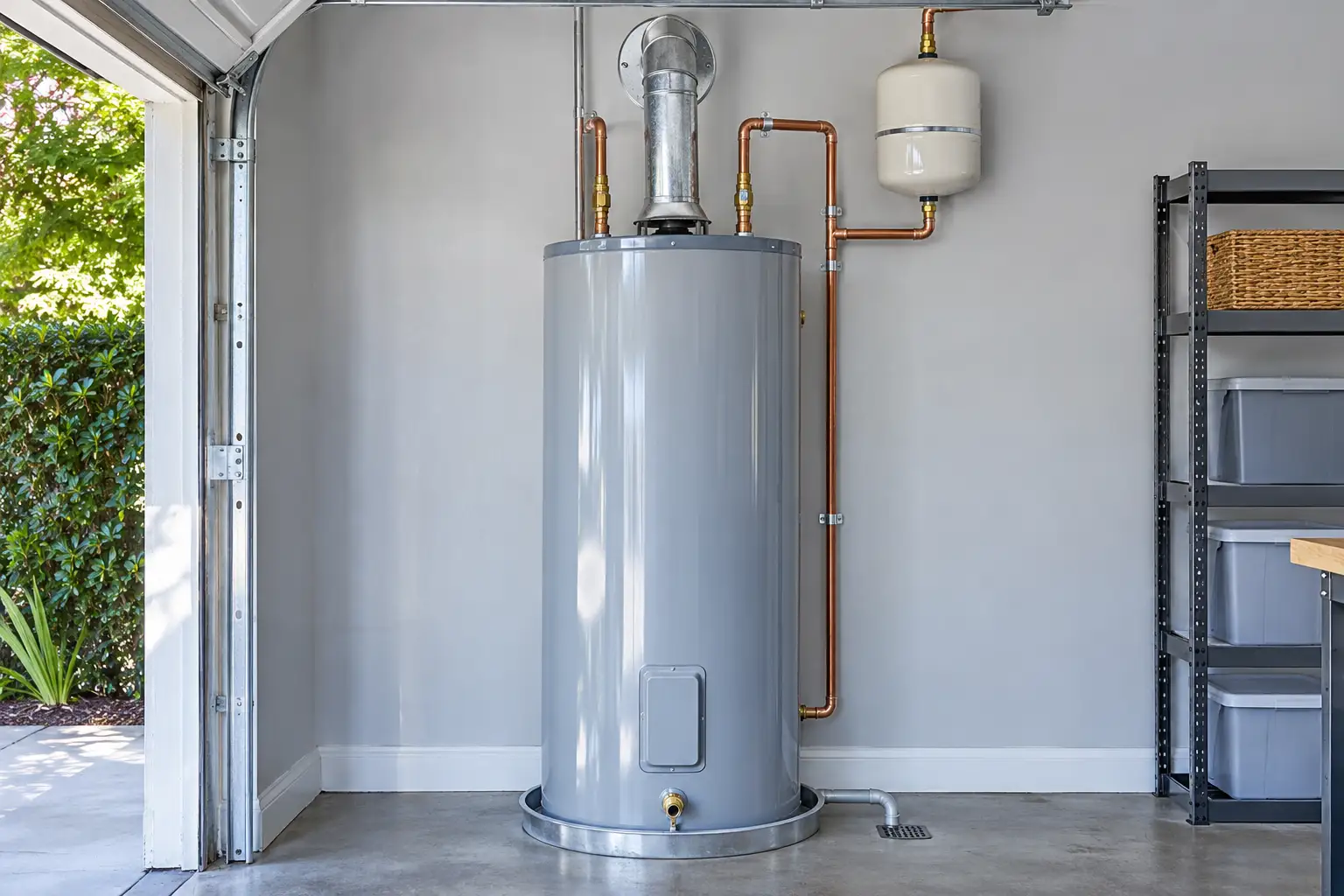
Who works on gas lines
Licensed plumbers, never a do it yourself job
The gas company is responsible for the meter and the line up to it. The piping from the meter into your house and to each appliance is the homeowner side, and that is where a licensed plumber works.
Gas work is not a job to try yourself. Small mistakes can cause leaks that are hard to detect, and every repair needs to be tested properly before the gas is turned back on.
What happens after the leak is made safe
After a leak has been made safe, the plumber finds the source, repairs or replaces the damaged section or fitting, then pressure tests the line to confirm it holds. Appliances are relit and checked once the line has passed.
Common gas line repair jobs
Leak repair
Finding and repairing a leaking fitting, valve or section of pipe.
Appliance connections
Replacing old flexible connectors to stoves, dryers and water heaters.
New lines
Running a line for a new gas range, a dryer, a fireplace or an outdoor grill.
Shutoff valves
Adding or replacing a shutoff valve at an appliance.
Pressure testing
Testing the line after any repair or new work.
Line replacement
Replacing corroded or damaged sections of older piping.
Gas work is explained step by step before it begins, including how the line will be tested, and you give the go ahead.
Old appliance connectors
Gas appliances are often connected with a flexible connector between the shutoff valve and the appliance. Older connectors can crack or corrode, especially if the appliance has been moved many times.
- Look behind the stove, dryer and water heater for the connector.
- Check that each appliance has its own shutoff valve.
- Do not move a gas appliance without checking the connector afterwards.
- Ask a plumber to replace any connector that is kinked, corroded or very old.
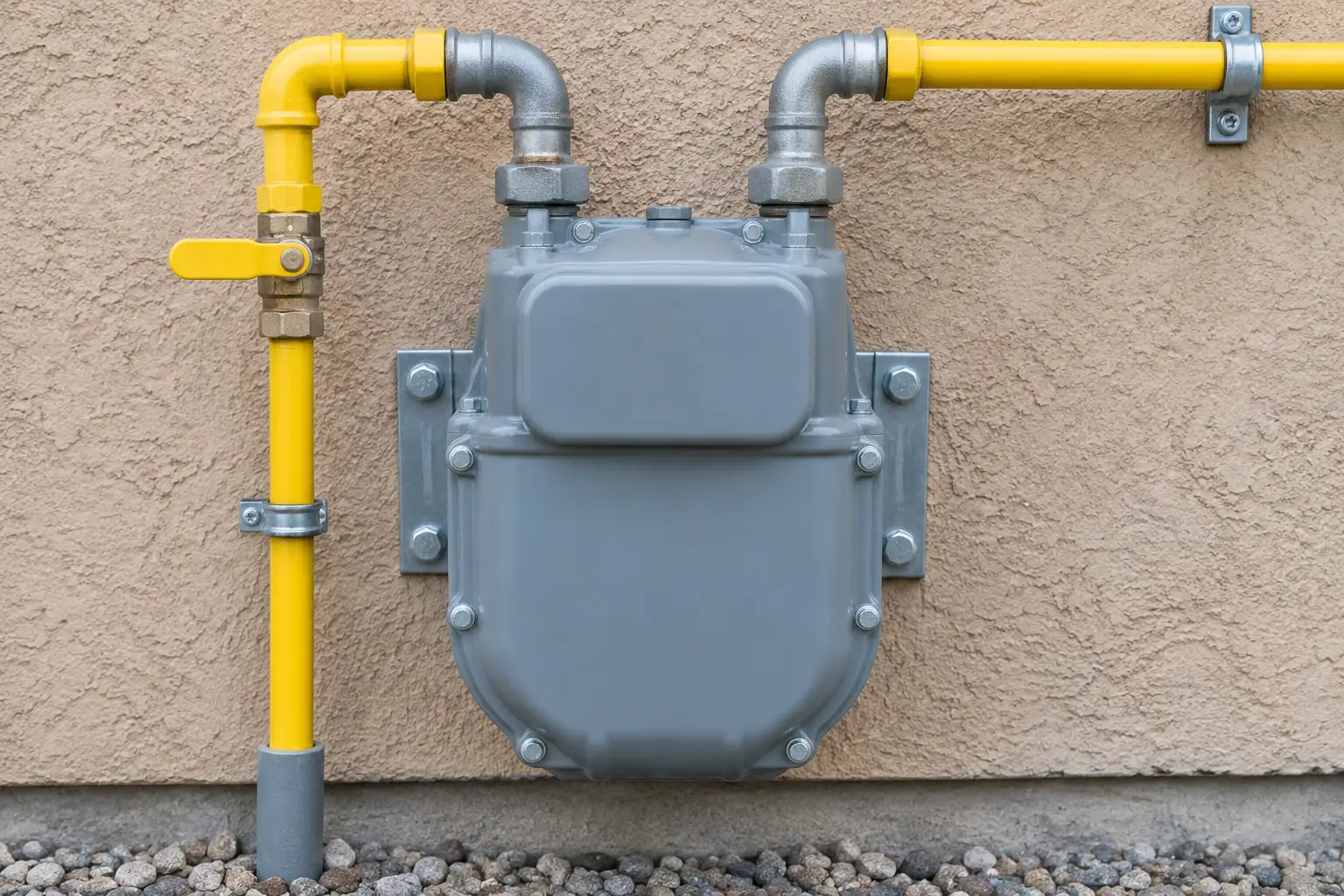
Know where your gas shutoffs are
Every home with gas has a shutoff at the meter, and each appliance should have its own valve nearby. Knowing where they are is useful, but if you smell gas, leaving the house comes before trying to shut anything off.
The valve at the meter usually needs a wrench to turn and is meant for emergencies. If it is ever turned off, the gas company or a licensed plumber should turn it back on and relight the pilots.
What to expect on a gas line visit
A gas line visit always starts with safety. The plumber checks for leaks with a detector or a soap solution, confirms which part of the line is affected and makes sure the area is safe to work in.
Once the repair or new line is in, the system is pressure tested before gas is restored. Appliances are relit and their flames checked. You will hear what was found, what was done and anything worth keeping an eye on.
Simple gas safety habits
- Fit carbon monoxide alarms near bedrooms and test them.
- Keep the area around the water heater and furnace clear of storage.
- Watch for yellow flames on gas burners and have them checked.
- Never use a gas oven or range to heat the house.
- Call before you dig in the yard, so buried lines are marked.
Gas line questions
There is a gas smell in my house. What do I do?
Leave the house straight away with everyone, do not switch anything on or off, and call the gas company or emergency services from outside.
Who repairs gas lines in a home?
A licensed plumber repairs gas piping on the homeowner side of the meter. The gas company handles the meter and the line up to it.
Can I replace a gas connector myself?
It is not recommended. Gas work needs to be done and tested properly by a licensed plumber.
What does a yellow flame on my stove mean?
A burner that is not burning cleanly. Have it checked, as it can point to an adjustment or a ventilation problem.
Do I need carbon monoxide alarms?
Yes, in any home with gas appliances. Place them near bedrooms and test them regularly.
Can a gas line be added for a new appliance?
Yes. A licensed plumber can run a new line to a range, a dryer, a fireplace or a grill and test it before use.
How is a gas line tested?
The line is pressurized and watched with a gauge to confirm it holds without dropping, which shows there are no leaks.
Is it safe to use a gas stove after a repair?
Once the line has passed its pressure test and the burners light with a steady blue flame, yes. If anything smells or looks wrong, turn it off and call back.
Should I turn off the gas when I travel?
It is not usually necessary, and relighting pilots afterwards needs care. If you do turn it off, have a plumber or the gas company turn it back on.
Can a gas leak happen outside?
Yes. Buried lines and the piping at the meter can leak. Dead plants over the line, a hissing sound or a smell outside are worth reporting from a safe distance.