Match the symptom to the part
Toilet repair in Prescott Valley is usually a matter of finding the one part that has worn out. The symptom tells you which.
| What the toilet does | Usual culprit | Try first |
|---|---|---|
| Runs on and off by itself | A worn flapper letting water seep into the bowl | Food coloring test in the tank |
| Runs constantly | Fill valve set too high or failing | Lower the float a little |
| Weak or slow flush | Partial clog or mineral build up in the rim holes | Plunge, then clean the rim |
| Water on the floor at the base | A failed wax ring under the toilet | Stop using it and call |
| Rocks when you sit | Loose bolts or a damaged flange | Do not overtighten, call |
| Clogs often | Too much paper, wipes or a drain line problem | Check other drains too |
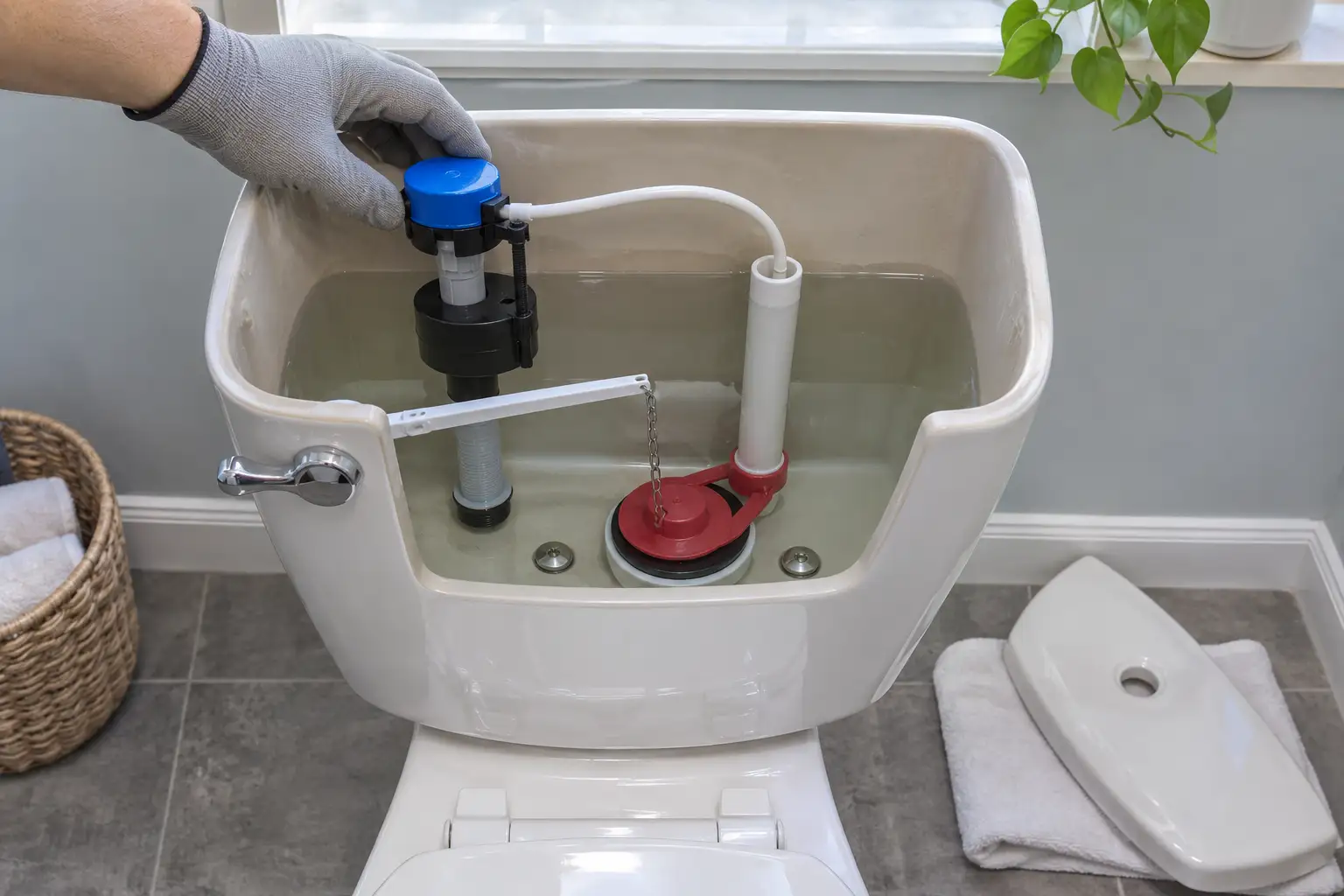
The food coloring test
Find a silent leak in ten minutes
A toilet can leak into its own bowl without a sound, wasting water all day and night. You may not hear it at all, especially if the leak is slow. This test finds it with nothing more than a bottle of food coloring.
Add color
Put a few drops of food coloring in the tank. Do not flush.
Wait
Leave it for ten to fifteen minutes.
Look in the bowl
Color in the bowl means the flapper is letting water through.
A worn flapper is one of the smallest and most common plumbing repairs, and fixing it can make a real difference to the water bill.
Clogged toilet, step by step
- Stop flushing. A second flush on a clogged toilet is how bowls overflow.
- Close the supply valve behind the toilet if the water is rising.
- Use a flange plunger, the kind with a soft extension at the bottom.
- Push slowly at first to seal, then use firm, steady strokes.
- If plunging does not work after a fair try, stop before water spills.
If other drains in the house are also slow, or water comes up in the tub when the toilet is flushed, the problem is the main line. See sewer line backups.
Water around the base is never normal
A toilet that leaks at the base usually has a failed wax ring, the seal between the toilet and the drain pipe in the floor. Every flush pushes a little water out under the toilet, where it soaks the subfloor.
It can look like condensation at first, so wipe the floor dry and watch it after a flush. If water appears at the base, stop using that toilet until it is reset with a new seal.
Why it matters for the floor
Left alone, a leaking wax ring can rot the subfloor around the toilet and stain the ceiling below in a two story home. Resetting the toilet with a new seal is a routine job, and the plumber will also check the flange the toilet bolts to.
Weak flushes and the rim holes
A toilet that needs two flushes to clear is frustrating, and it often has a simple cause. Water enters the bowl through small holes under the rim and a jet near the bottom. When minerals build up in those openings, less water reaches the bowl and the flush loses its strength.
Look under the rim with a small mirror. If the holes look crusted, a stiff brush and a mild descaler can help. Also check that the water level in the tank reaches the mark on the inside wall, and that the chain from the handle to the flapper has just a little slack.
When cleaning does not help
If cleaning and adjusting do not help, the trapway inside the toilet may be partly blocked by something that was flushed, such as a small toy or a toothbrush cap. A plumber can clear it, or pull the toilet to remove the object from below.
Repair or replace the toilet
Usually repaired
Flappers, fill valves, handles, chains, supply lines and wax rings.
Sometimes replaced
A cracked tank or bowl, a toilet that clogs constantly or one with hard to find parts.
Worth asking about
Whether a newer toilet would flush better with less water.
Before a single bolt is loosened, you hear which part failed and whether a repair or a new toilet makes more sense. Then it is your call.
Keep toilets flushing well
- Flush only toilet paper, never wipes or paper towels.
- Check the supply line behind the toilet once a year for bulges or rust.
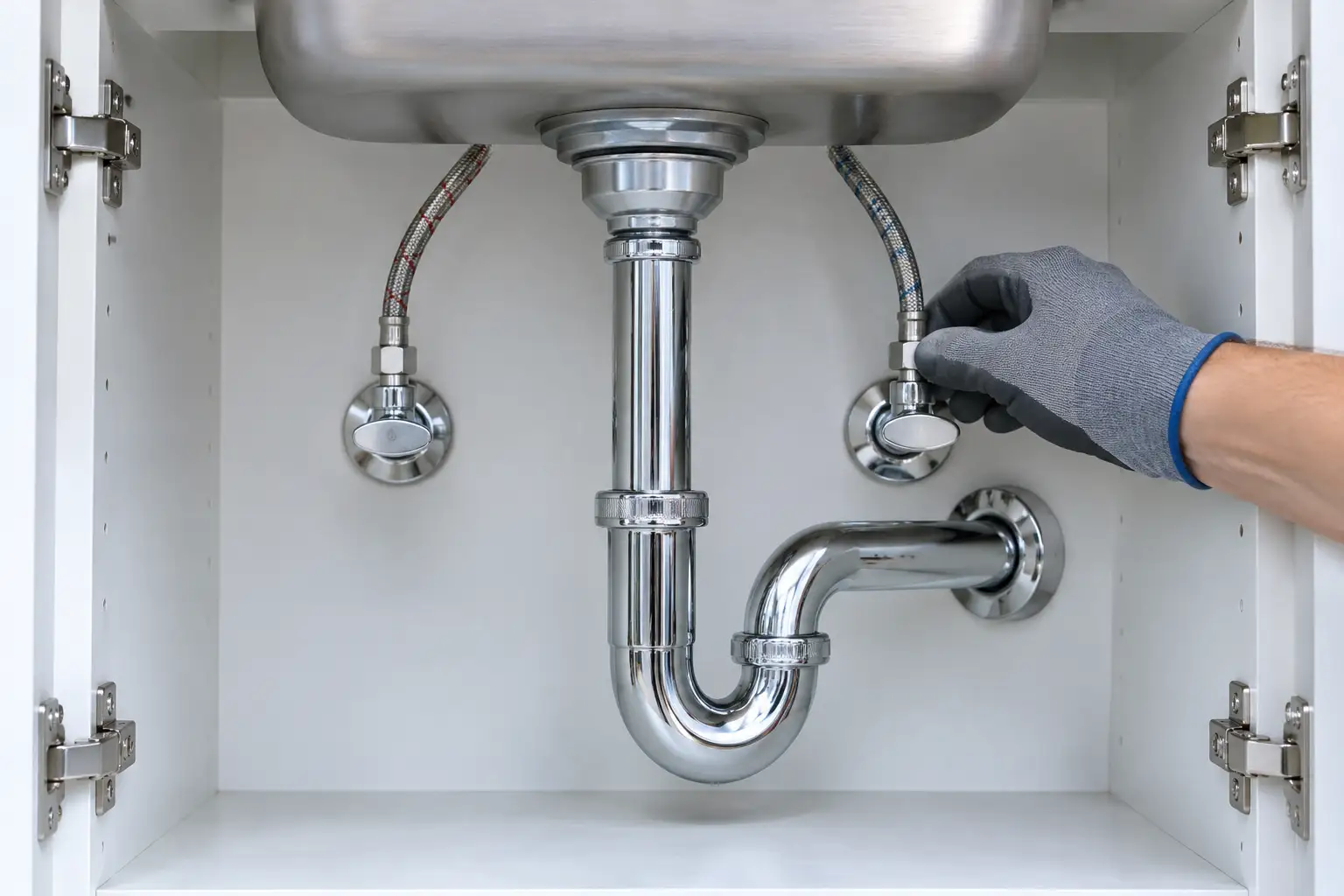
- Make sure the shutoff valve behind the toilet turns.
- Run the food coloring test every few months.
- Clean mineral build up from the rim holes to keep the flush strong.
Toilet repair questions
Why does my toilet run by itself?
A worn flapper usually lets water seep from the tank into the bowl, and the fill valve tops it up. The food coloring test confirms it.
Is a running toilet worth fixing?
Yes. A toilet that runs can waste a lot of water, and the fix is usually a small part.
What makes a toilet clog again and again?
Too much paper, wipes or a weak flush are common causes. If other drains are slow too, the main line may be partly blocked.
Can I fix a leak at the base myself?
It means lifting the toilet and replacing the wax ring. Many people prefer a plumber, because the flange underneath also needs checking.
Why does my toilet rock?
Loose floor bolts or a damaged flange. Overtightening can crack the porcelain, so have it checked.
Why does my toilet make a hissing sound?
Usually the fill valve is letting a little water through after the tank is full, or the flapper is leaking and the valve keeps topping it up. Both are small part repairs.
How long does a toilet repair take?
Flapper and fill valve repairs are often quick. Resetting a toilet on a new wax ring takes longer, because the toilet has to be lifted and the flange checked.
What is the valve behind the toilet for?
It shuts off water to the toilet only. Closing it stops an overflow or a leak while the rest of the house keeps water.
Should the water in the tank keep running after a flush?
Only until the tank refills to the line marked inside. If it keeps running past that, the fill valve or the float needs adjusting or replacing.
Can a toilet leak into the ceiling below?
Yes. A failed wax ring or a cracked supply line on an upstairs toilet often shows up first as a stain on the ceiling below the bathroom.