One drain or all of them?
The answer tells you where the clog is
Drain cleaning in Prescott Valley starts with one simple question. Is it one drain that is slow, or several?
If only the bathroom sink is slow, the clog is almost always in that sink, usually hair and soap in the trap. If the tub, the toilet and a floor drain are all slow, or water comes up in the shower when you run the washer, the clog is in the main line that carries everything out of the house.
When several drains are slow
A main line clog is more urgent, because the next flush or load of laundry can come back up into the lowest drain in the house. If several drains are slow at once, stop using water until it is checked, and see the sewer line backup page.
What clogs which drain
| Drain | Usual cause | Worth trying first |
|---|---|---|
| Bathroom sink | Hair, soap and toothpaste in the trap | Pull and clean the pop up stopper |
| Shower and tub | Hair wrapped around the drain crossbar | A plastic hair snake from the hardware store |
| Kitchen sink | Grease, food scraps and coffee grounds | Hot water and a plunger, never grease down the drain |
| Toilet | Too much paper, wipes or a small object | A flange plunger with steady pushes |
| Laundry standpipe | Lint and soap build up | Leave it to a plumber if it overflows |
| Several at once | A main line clog, roots or a sagging pipe | Stop using water and call |
Leave the drain chemicals on the shelf
It is tempting to pour something down and hope. Harsh chemical drain cleaners can damage older pipes and fittings, they are dangerous if they splash and they do very little for a clog deep in the line. If they do not work, the plumber then has to work with a drain full of caustic liquid.
Chemical cleaners also tend to fail on exactly the clogs that matter most, the ones in the main line or in a trap packed with grease. They can sit on top of the clog and eat at the pipe instead.
A plunger, a hair snake and boiling water for a kitchen sink are safer first steps. If those do not work after a fair try, the clog needs proper tools.
How a plumber clears a drain properly
Clearing a drain properly is about getting to the clog and removing it, not just poking a hole through it.
Snaking
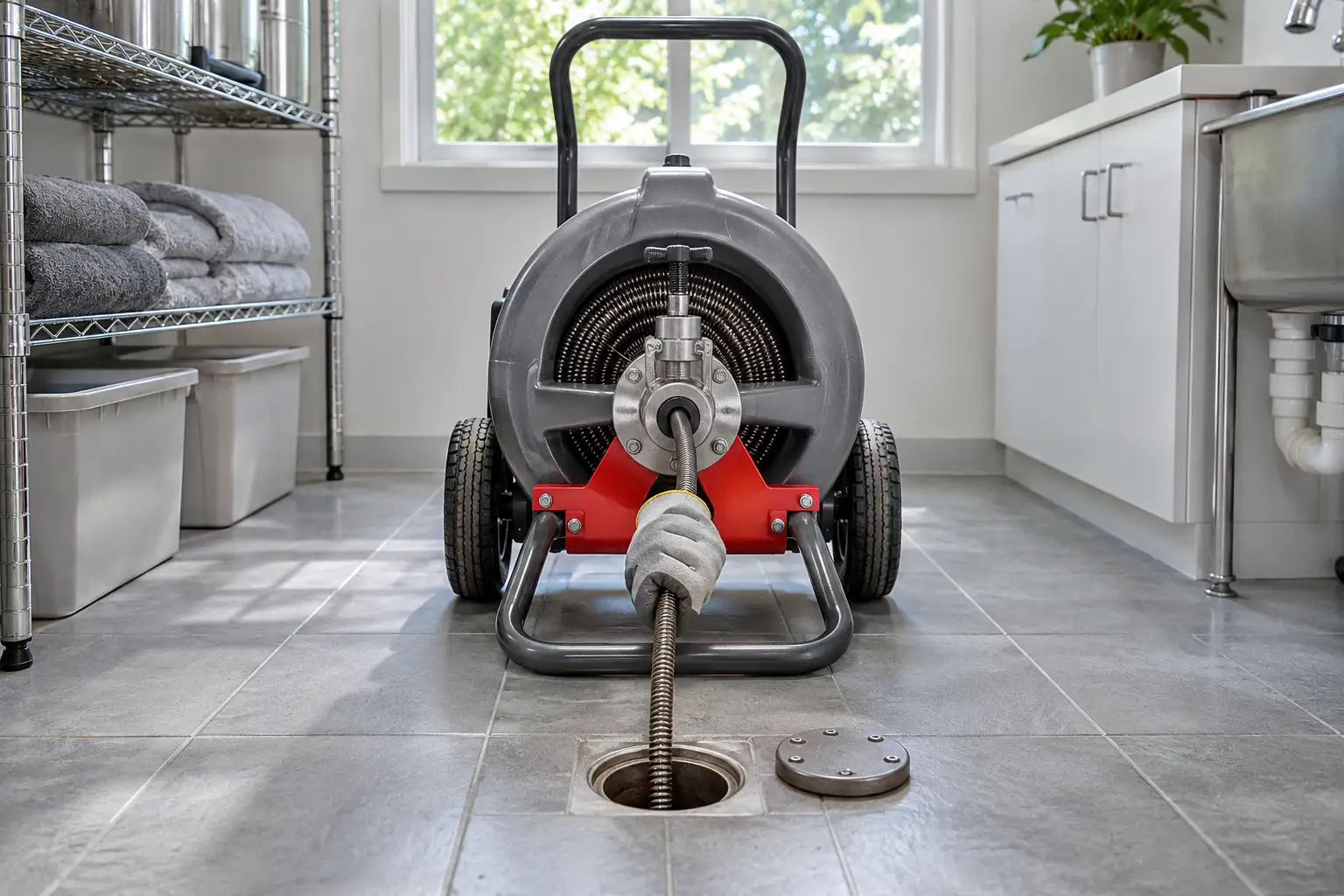
A motorized cable cuts through hair, grease and paper. Good for most single fixture clogs.
Main line cleaning
A larger machine run from the cleanout clears the line that carries everything out of the house.
Camera inspection
A small camera shows whether roots, a crack or a sag is causing repeat clogs.
Hydro jetting
High pressure water scours grease and build up off the pipe walls on stubborn lines.
Which of these fits your drain gets explained on the spot, and you choose whether to go ahead.
Drains and the holidays
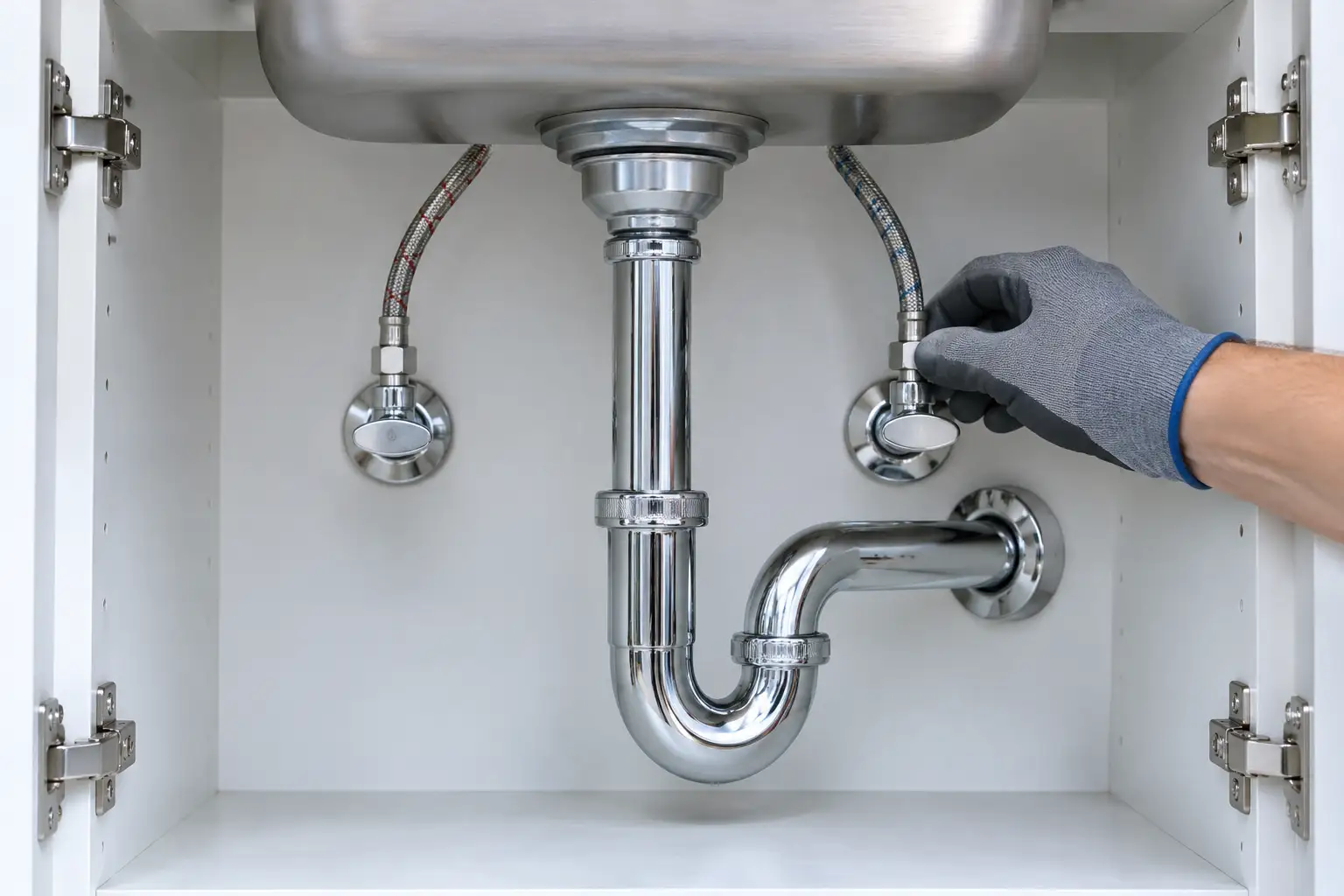
Clogged drains around the holidays are a common reason for calls in Prescott Valley. Big meals mean grease, peelings and coffee grounds, and extra guests mean more showers and more flushing.
- Pour cooled grease into a can, not the sink.
- Scrape plates into the trash before rinsing.
- Run the disposal with plenty of cold water, a little at a time.
- Stagger showers and laundry loads when guests stay.
Gurgles, smells and a blocked vent
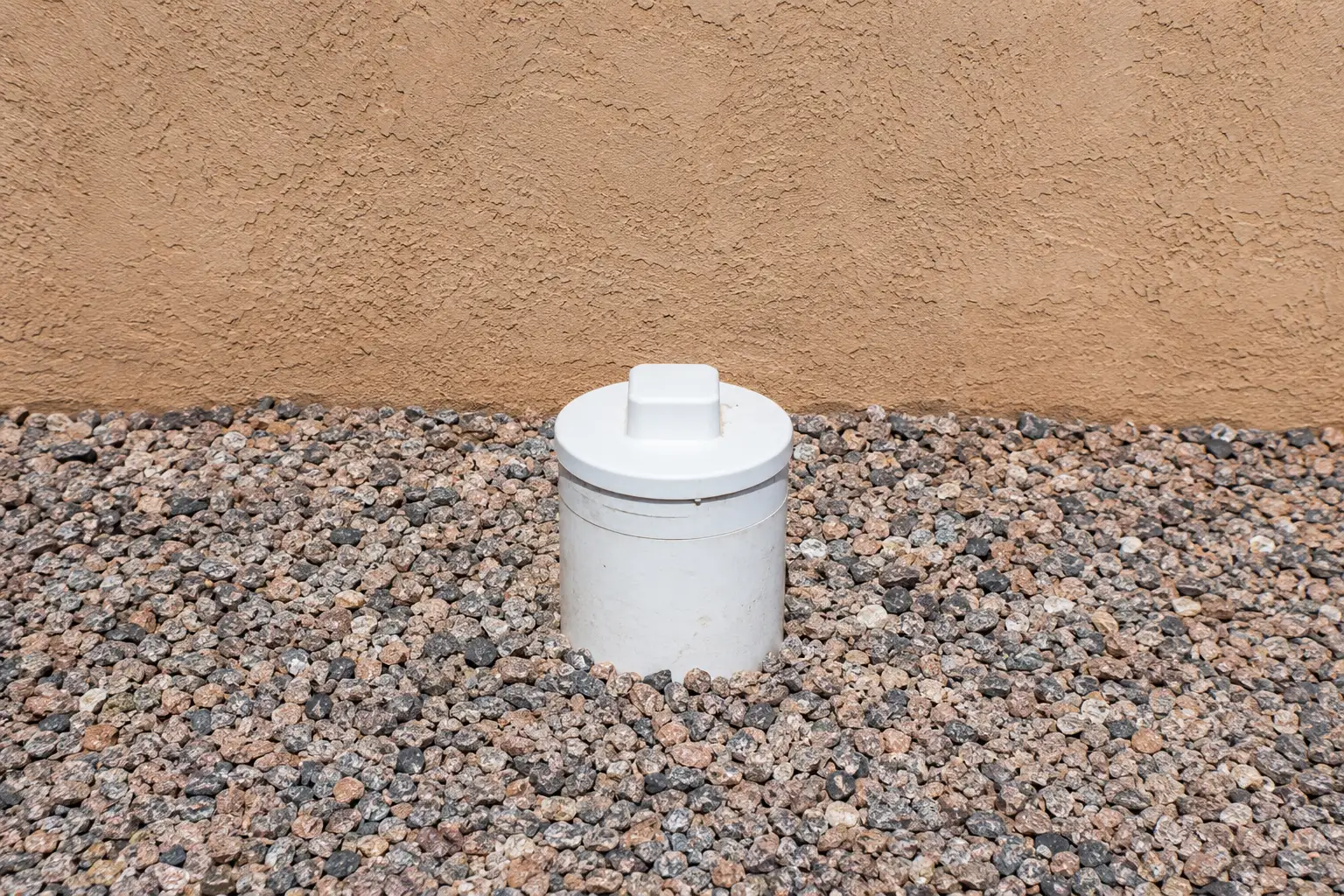
Not every slow drain is a clog in the pipe. Every drain in your house needs air behind the water to flow properly, and that air comes in through vent pipes on the roof.
If a vent gets blocked by a bird nest, leaves or debris, drains slow down and gurgle, and toilets may bubble when another fixture drains. You might also notice a sewer smell, because the water in the traps gets pulled out.
Smells from drains you rarely use
A plumber can test whether the vent is clear and clear it from the roof if needed. If the drains are slow and also gurgle, mention it when you call, because it changes what the plumber brings.
Smells can also come from a drain that is rarely used. The water in its trap evaporates, especially in hot, dry weather, and sewer gas comes through. Running water in that drain for a few seconds every week or two keeps the trap full.
When clogs keep coming back
A drain that clogs every few weeks is telling you something. Common reasons include roots in the sewer line, a pipe that sags and holds water, grease that has built up along the walls of the line or a vent on the roof that is blocked.
A camera inspection is the quickest way to find out. It turns guesswork into a clear picture of what is in the pipe and where, and it tells you whether a cleaning will be enough or whether a section of the line needs attention.
Drain cleaning questions
Why is only one drain slow?
The clog is almost always in that fixture or its trap, usually hair and soap in a bathroom or grease in a kitchen.
Why did several drains slow down together?
That points to the main line. Stop using water and have it cleared, because the next flush can back up into the lowest drain.
Is it safe to use a plunger on a sink?
Yes. Block the overflow hole with a wet cloth so the plunger can build pressure, and use steady pushes.
Do enzyme cleaners work?
They can help keep a drain fresh over time, but they will not clear a real clog.
Do drains need cleaning on a schedule?
Only when they slow down, unless you have repeat clogs, in which case a camera inspection is worth it.
What keeps blocking my kitchen sink?
Grease and food scraps build up in the line over time, even when they go down with hot water. Keeping grease out and running plenty of cold water with the disposal helps.
Can I snake a drain myself?
A small hand snake is fine for a bathroom sink or tub. Larger machines can damage pipes or get stuck if used without experience, so main line clogs are best left to a plumber.
What is a cleanout?
A capped pipe, usually near the house or in the yard, that gives plumbers direct access to the main drain line without pulling a toilet.
Can tree roots really get into the pipes?
Yes, roots find small cracks and joints in older sewer lines and grow inside, catching paper and grease.