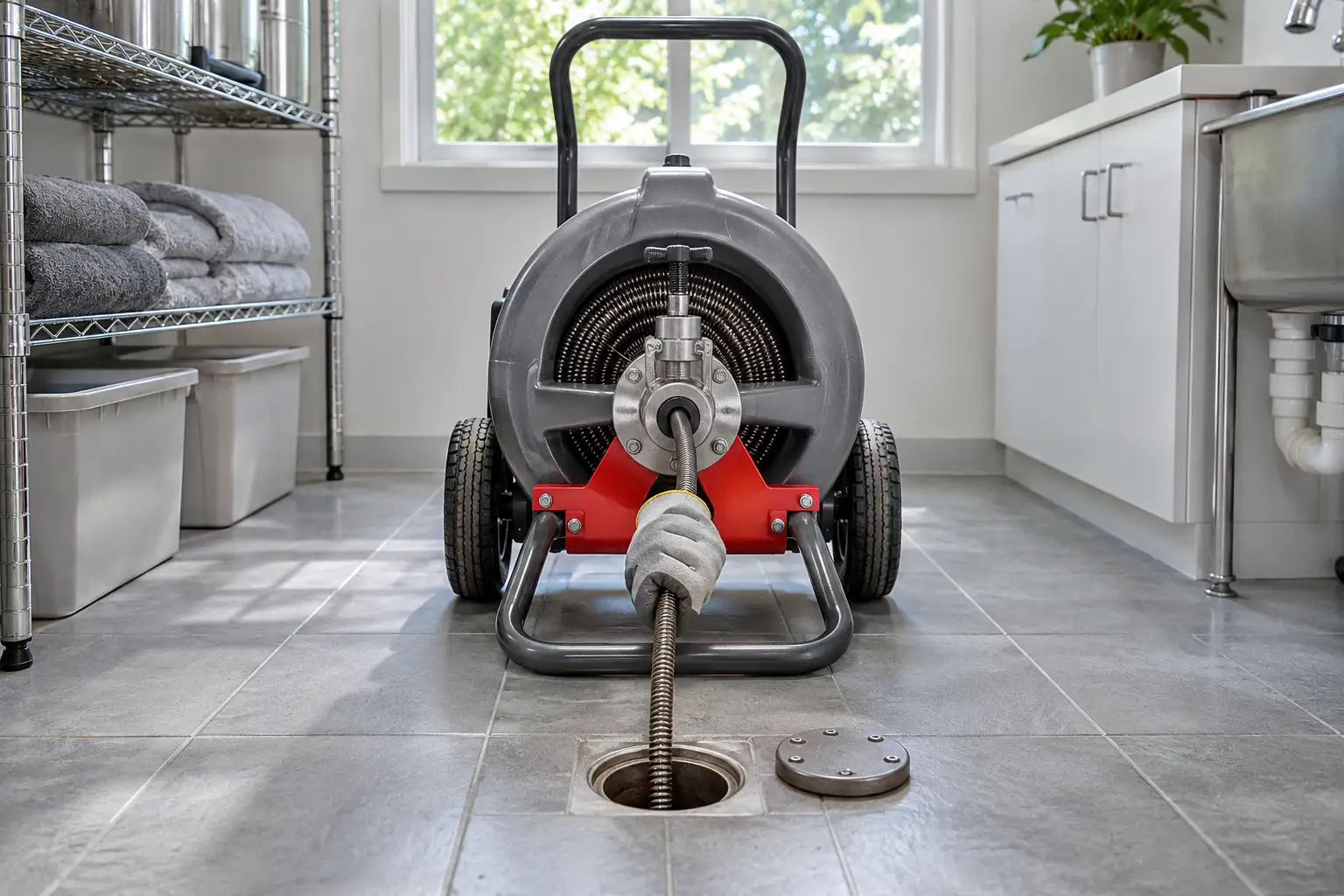
How to tell when a clogged drain becomes an emergency
Is it one drain, or more than one?
A clog in a single sink, tub or toilet stays in that fixture. A clog in the main line affects everything downstream, and the next flush or shower can send water back up into the house. That difference is what turns a clogged drain into an emergency.
Emergency, or a visit this week
Treat it as an emergency
- Sewage or dirty water coming up a tub, shower or floor drain.
- Several fixtures slow or backing up at once.
- Water coming up in the shower when a toilet flushes.
- A toilet overflowing that will not stop.
- A sewer smell with gurgling drains.
It can usually wait
- One sink draining slowly.
- A tub slowed by hair.
- A toilet that clogs now and then and clears with a plunger.
- A kitchen sink slow after a big meal, with others fine.
Right now, if it is the main line
Stop using water
No flushing, no showers, no dishwasher, no laundry.
Keep away from the water
Sewage carries bacteria. Keep children and pets out of the area.
Do not use chemicals
They rarely clear a main line and make it dangerous to work on.
Find the cleanout
A capped pipe near the house or in the yard. Do not open it yourself, but know where it is.
The sewer line backup page explains how plumbers clear and check the line.
Where clogs start, room by room
| Room | What usually clogs it | Is it urgent? |
|---|---|---|
| Kitchen | Grease, food scraps, coffee grounds, the disposal | Usually not, unless both sinks and the dishwasher back up |
| Bathroom sink | Hair, soap and toothpaste on the stopper | No, a slow sink can wait |
| Shower and tub | Hair and soap around the drain | Only if dirty water comes up from below |
| Toilet | Too much paper, wipes, small objects | Yes if it overflows or other drains back up |
| Laundry | Lint and soap in the standpipe | Yes if water spills onto the floor |
| Floor drain | Usually the main line | Yes, it is often the first sign of a backup |
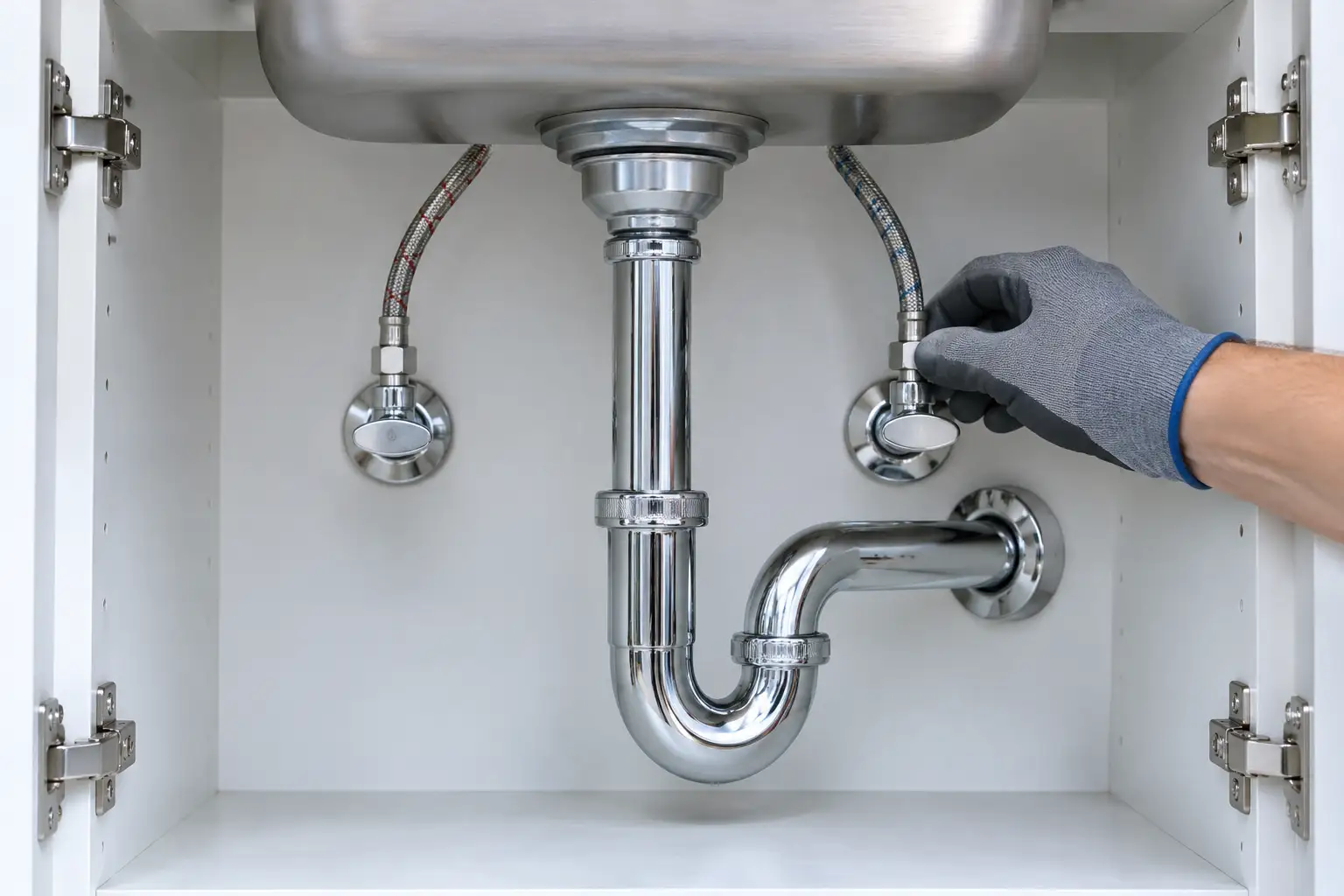
What to try on a single clog
Bathroom sink
Lift out the stopper and clear the hair and soap.
Tub or shower
A plastic hair snake pulls out most clogs.
Kitchen sink
A plunger with the other drain blocked, never grease or chemicals.
Toilet
A flange plunger with slow, firm pushes. Stop if it starts to rise.
If a fair try does not clear it, leave it for a plumber rather than reaching for chemicals. The drain cleaning page explains what they do and when a camera inspection makes sense.
Holidays, storms and full houses
Clogged drains around the holidays are a common reason for calls in Prescott Valley. Cooking adds grease and scraps, and guests add showers and flushing. Monsoon storms can also overwhelm drains and push water where it should not be.
Before the holidays
Keep a can for cooled grease and scrape plates into the trash.
When the house is full
Space out showers and laundry over the day.
Before storm season
Clear yard drains and gutters so rain moves away from the house.
What not to do with a backed up drain
Pour in chemicals
They rarely clear deep clogs and make the drain hazardous to work on.
Keep flushing
Every flush adds water that has nowhere to go.
Open the cleanout
Sewage under pressure can spill out when the cap comes off.
Use a rented machine blind
Large cables can get stuck or damage older pipes.
Ignore the smell
A sewer smell with gurgling drains is a warning, not a nuisance.
Walk through sewage
Keep people and pets away until it is cleaned.
Signs a clog is building
Main line problems usually warn you first. Catching them early can turn an emergency into a scheduled visit, at a time that suits you, instead of a backup on a busy evening with the house full.
- Gurgling sounds from a drain when another one empties.
- A toilet bubbling when the tub drains.
- Drains slowing one after another over a few weeks.
- A sewer smell near floor drains or the cleanout.
- The same drain clogging again soon after clearing.
Who to call, and when
Call a plumber now
- Water or sewage is coming up into the house.
- Several drains are backing up together.
- A toilet keeps overflowing.
Book a visit soon
- A single drain is slow and a fair try has not helped.
- The same drain keeps clogging.
- You hear gurgling but nothing is backing up yet.
If sewage soaked carpet or drywall, a cleaning and drying company may be needed as well, once the plumber has cleared the line.
After the clog is cleared
Once the water is moving again, take a minute to ask what caused the clog. Grease and wipes are a habit to change. Roots, a sag in the line or a broken section are worth seeing on a camera so you can decide what to do next.
If sewage came into the house, the area needs proper cleaning with a disinfectant, and soft items it soaked usually need to go.
Keeping the next clog away
- Pour cooled grease into a can and put it in the trash.
- Use a strainer in the kitchen sink and hair catchers in showers.
- Flush only toilet paper, never wipes, even ones labelled flushable.
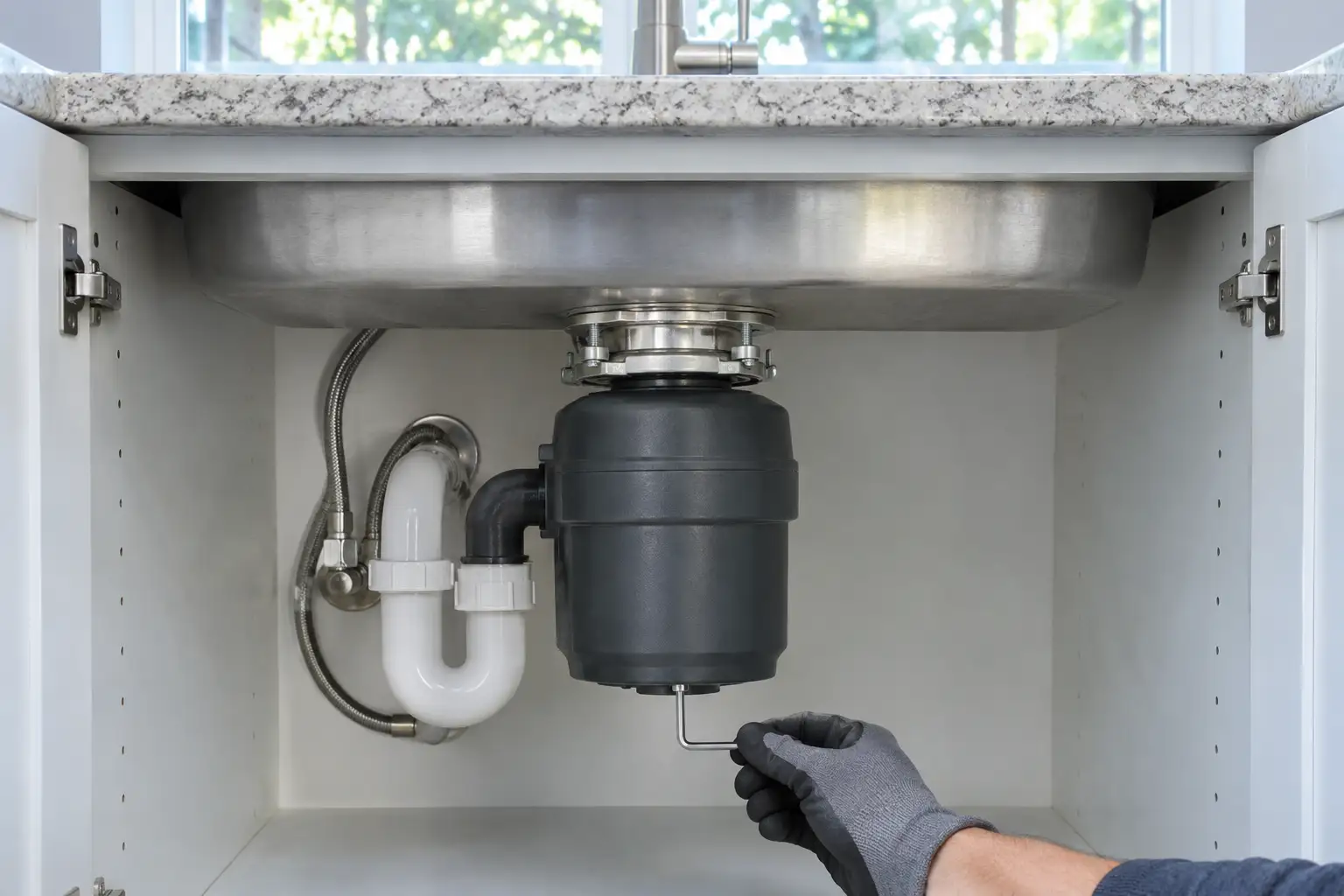
- Run plenty of cold water with the disposal and feed it slowly.
- Have the main line checked with a camera if backups repeat.
If clogs come back every few weeks, something in the line is catching them. A camera inspection shows whether it is roots, a sag or a broken section.
Clogged drain questions
How do I know if the main line is clogged?
Several drains slow or backing up at once, water coming up in the lowest drain and gurgling toilets are the usual signs.
Is a clogged toilet an emergency?
Only if it keeps overflowing or other drains are backing up too.
Can I use a plunger on a main line clog?
It rarely helps. The clog is too far down the line, and plunging can push water out of other drains.
What should I never pour down a drain?
Grease, oil, coffee grounds and harsh chemicals.
Why do my drains clog at the holidays?
More cooking adds grease and food, and more guests add water use. Together they push a partly blocked line over the edge.
Will a clog clear by itself?
Rarely. Some slow drains improve for a while, but the build up usually returns.
Can a clogged drain damage my home?
A backup can soak floors, cabinets and drywall, and sewage needs proper cleaning. That is why a main line clog is treated as urgent.
Should I call a plumber at night for a clog?
If it is the main line and water is coming up, yes. A single slow drain can wait until the morning.
What is a camera inspection?
A small camera on a cable that shows what is inside the drain line, so the cause of repeat clogs can be seen.
Do drain screens really help?
Yes. Hair catchers and sink strainers stop most of what causes everyday clogs.
Why does my shower fill when I flush the toilet?
Both drain into the main line. When it is blocked, water from the toilet backs up into the lowest drain, which is often the shower.
Can tree roots cause a clog?
Yes. Roots can grow into older sewer lines through small cracks and catch paper and grease, causing repeat clogs.
Is baking soda and vinegar safe for drains?
It is gentle and safe, but it rarely clears a real clog. It is better for freshening a drain than unblocking one.
Can a garbage disposal cause a clog?
Yes. Food ground too fast or the wrong scraps, such as grease, peels and coffee grounds, can pack into the line beyond it.
Why does the clog come back after I clear it?
A plunger or snake may only open a hole through the clog. If build up, roots or a sag remain in the line, the drain slows again.
Can hot water clear a kitchen clog?
Very hot water can loosen a fresh grease clog in a kitchen sink, but it will not clear food, wipes or a main line problem.
What if the clog is in a basement or garage floor drain?
A floor drain backing up is often the first sign of a main line clog. Stop using water and have the line checked.