Four steps, start to finish
Here is how Prescott Valley Plumber works when something goes wrong with the plumbing in your home. The same four steps apply whether it is a dripping faucet or a burst pipe, and you are kept informed at each one.
You tell us what is happening
Where the water is, which fixtures are affected, whether it has stopped and your ZIP code.
A licensed local plumber comes out
They look at the problem and the parts around it to find the real cause.
You hear the options
What they found and what each fix involves, explained before any work starts.
You decide
Go ahead, ask more questions or take time to think it over. The choice is always yours.
Questions we ask first
The first conversation is short and practical. These questions help the plumber arrive with the right tools and parts, and they tell us how urgent the visit is. If you do not know an answer, that is fine. The plumber works it out on site.
- What are you seeing, and where in the house?
- Is water still coming out, and is the power safe near it?
- Which fixtures are affected, one or several?
- Is there a gas smell, sewage or a leaking water heater?
- What is your ZIP code?
If water is still running, we will walk you through the main shutoff first.
On the visit
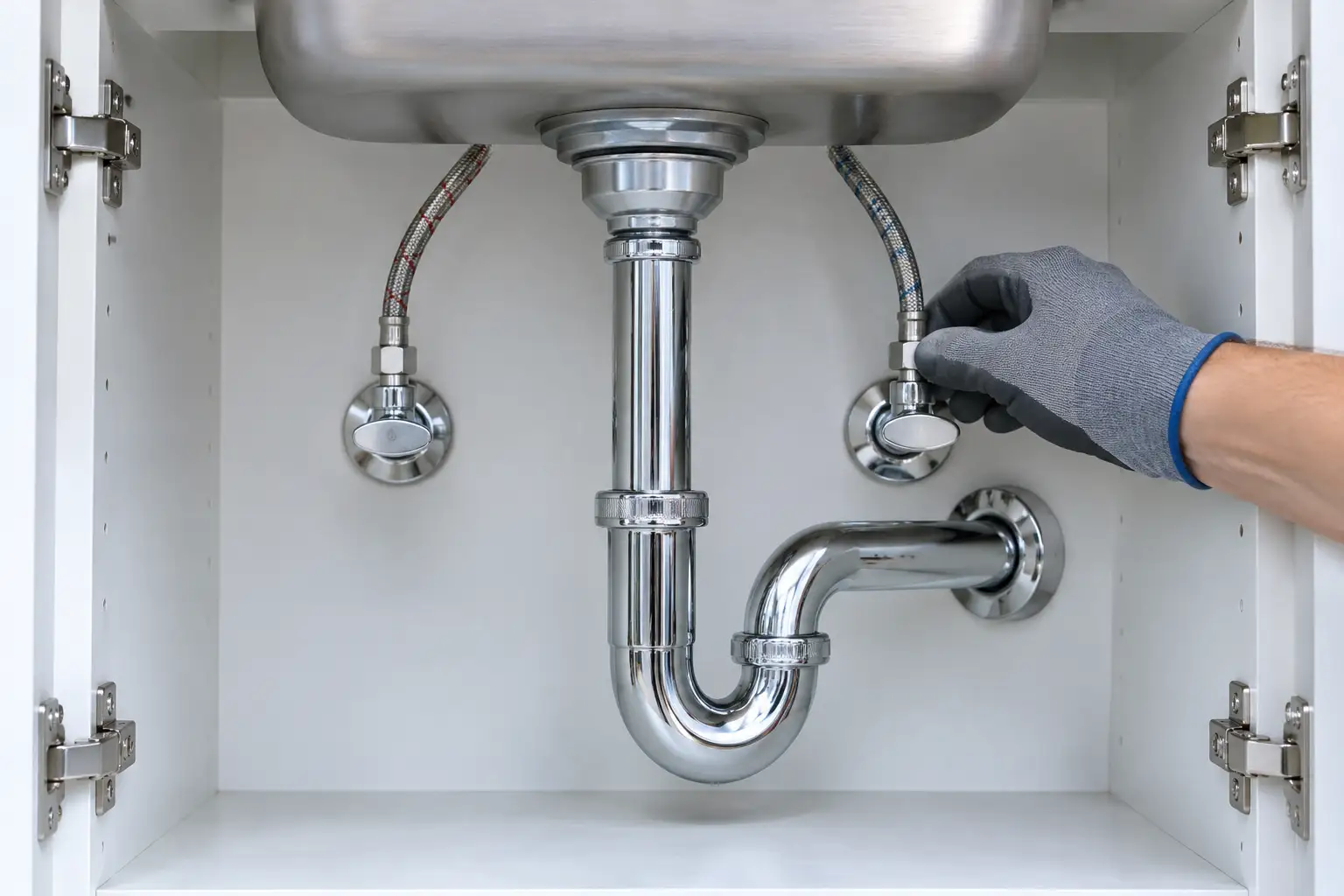
The plumber starts by looking at the problem and asking what you have noticed. They check the parts around it too, because the cause is often a step back from the symptom, such as a main line behind a clogged toilet or a valve behind a leaking faucet.
Then you hear what they found, in plain words. If there is more than one way to fix it, you hear each one and what it involves. If a part needs ordering, you hear that too, along with what to do in the meantime.
Many repairs are finished on the same visit. Larger jobs, such as a water heater replacement or a repipe, are planned with you first, including when the water will be off and which rooms are affected.
You stay in control
No work without your yes
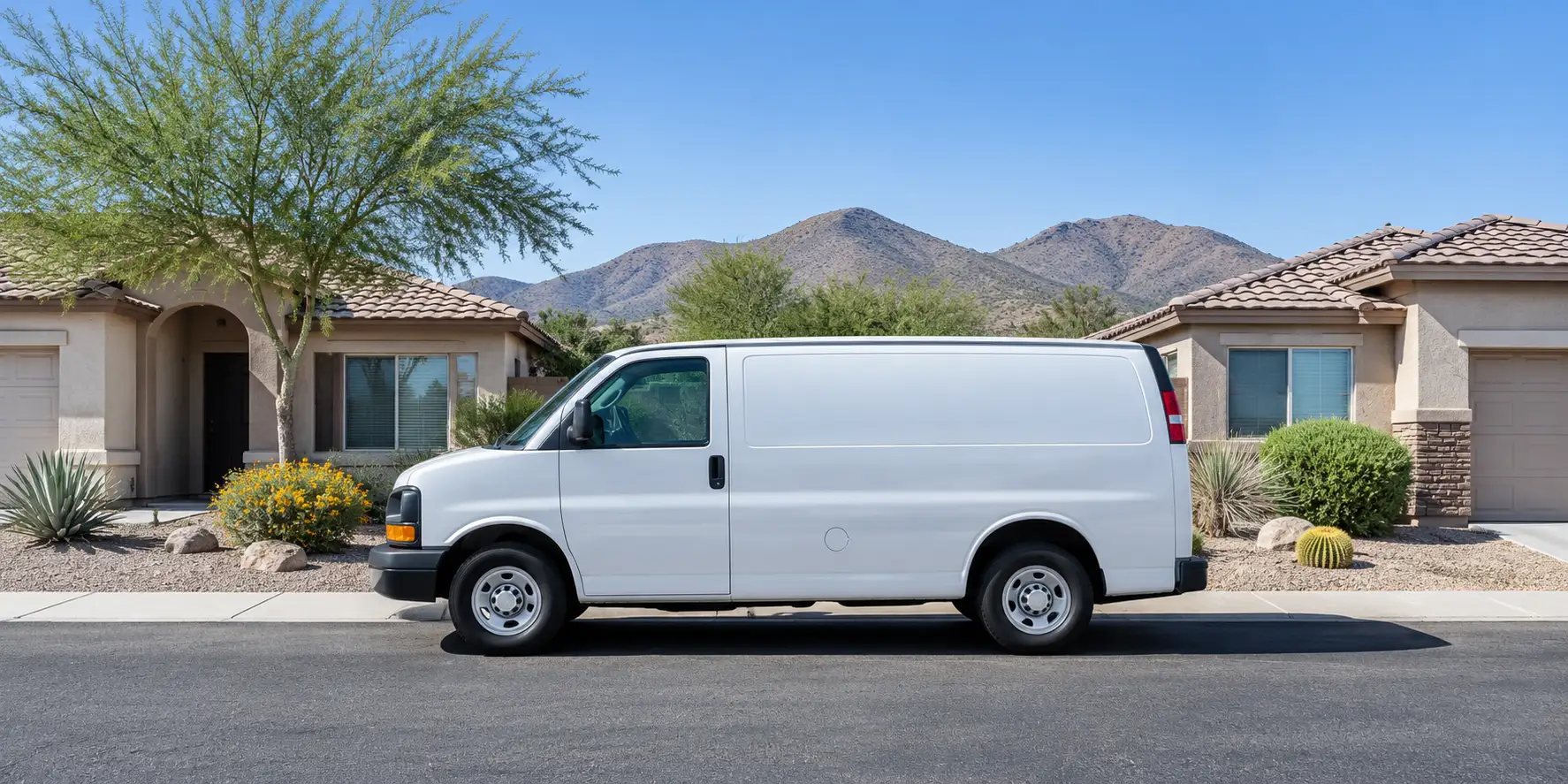
The choices are laid out first, and the tools stay in the van until you agree.
Ask anything
Why it failed, what else they noticed, how to prevent it.
Take your time
If you want to think it over or check with someone in your household, just say so.
When the job is bigger
Some jobs take more than one visit, such as a water heater replacement, a sewer line repair, a new gas line or a repipe. For those, the plumber plans the work with you first. You hear what will be done, in what order, when the water or gas will be off and which rooms are affected. You can ask for the plan in writing and take time to decide.
After the repair
- The repair, and the fixtures around it, are tested before the plumber leaves.
- You hear anything worth keeping an eye on.
- You keep the invoice and any notes about the cause.
- If something looks or sounds wrong afterwards, tell us straight away.
Keep the paperwork with your photos if the problem involved water damage, as your insurance company may ask for it. A note of what caused the problem is also useful if you sell the home later.
Have these ready if you can
A photo of the problem
A leak, a label on the water heater or a backed up drain.
The age of the fixture
Roughly how old the heater, toilet or faucet is, if you know.
Where the shutoffs are
The main valve, the water heater valve and the gas meter.
What has changed
Anything that happened before it started, such as a cold night or a storm.
If you rent, tell your landlord or property manager as well, and keep your own photos and notes. If you manage a rental for someone else, have the owner details and any access instructions ready.
Questions about the process
Is there an obligation when I call?
None at all. That first talk is about the problem and the safest next move. Any repair is a separate decision, made once you have heard the options.
Who comes out to my home?
A licensed local plumber, who looks over the problem, talks you through the choices and only starts once you agree.
Can I be there while the plumber works?
Yes. Many homeowners like to watch and ask questions, and the plumber can show you what they found.
What if the repair needs a part?
The plumber tells you, explains what to do in the meantime to keep the problem from getting worse and arranges a time to finish the job.
Will I get an explanation in writing?
For larger jobs you can ask for the plan in writing before deciding, so you can read it through or share it with someone.
How quickly can someone come out?
It depends on the day and the problem. Tell us how urgent it is, and if water is still running, close the main while you wait.
What if I am not sure it is a plumbing problem?
Tell us what you are seeing anyway. A few questions often settle it, and if it is not plumbing we will say so.
Where we take calls
Prescott Valley Plumber takes calls from homes across Prescott Valley, Arizona, in these ZIP codes. Mention yours when you reach us.
- 86314
- 86315
See every plumbing service we take calls for, or read the plumbing questions homeowners ask most.